Even if you’ve never touched a shovel before
If you’ve ever wished you could grow your own food—but felt overwhelmed, unsure, or convinced you have a “brown thumb”—you’re in the right place.
You don’t need special skills.
You don’t need a big backyard.
You don’t need to know the difference between compost and topsoil.
You just need a simple starting point.
And that’s what this post is for.
Gardening isn’t meant to be complicated or stressful. For many people, it becomes the opposite—a way to slow down, reconnect with nature, and feel grounded in a very busy world. If you’re craving more calm, more purpose, more homegrown beauty in your days…your first garden can be a beautiful place to begin.
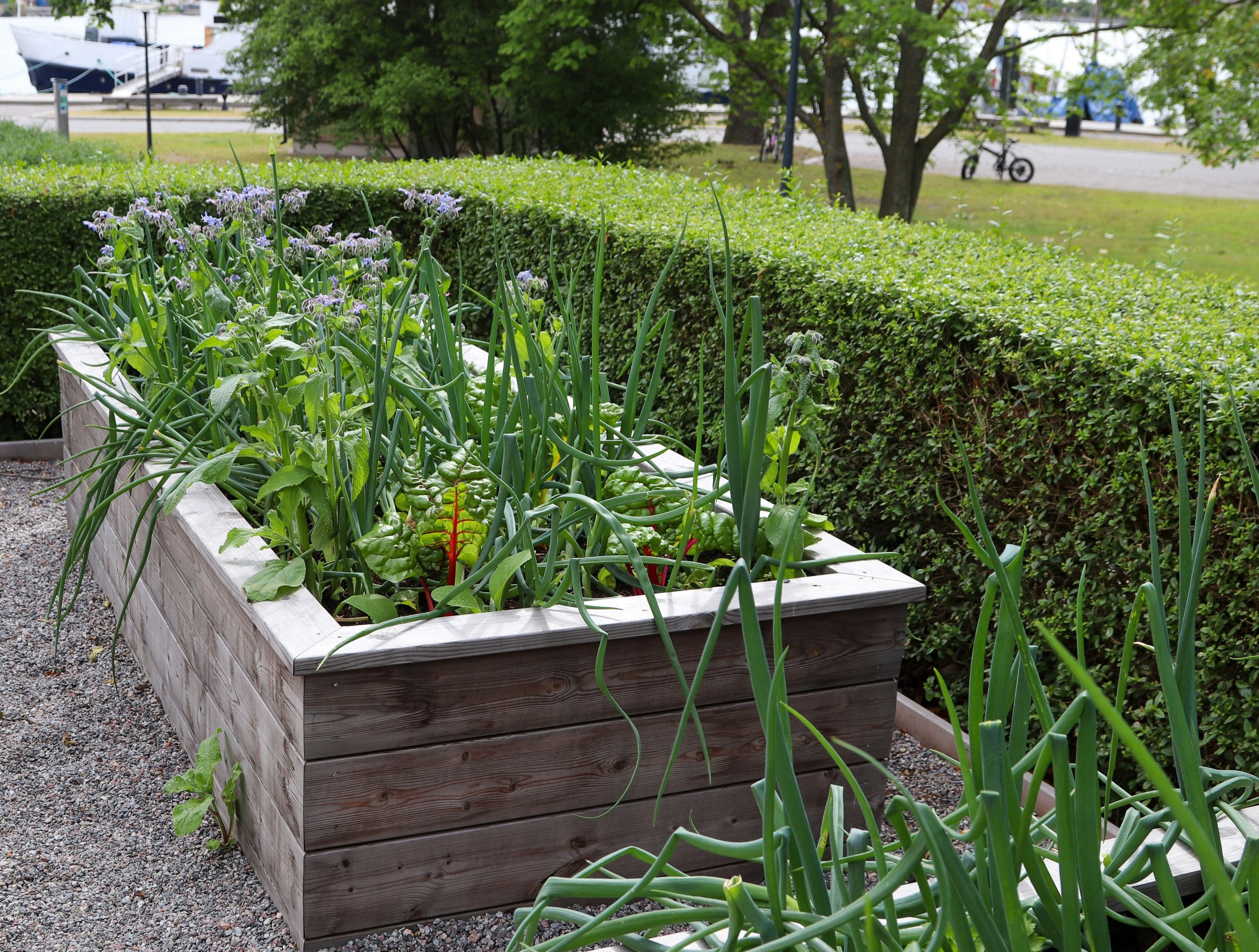
Why You Already Can Be a Gardener
Most people don’t struggle with gardening because they’re “bad at it.”
They struggle because:
They don’t know when to start
They pick the wrong plants for their space
They buy plants that need more sun than they have
They underestimate watering or spacing
They feel overwhelmed before they even begin
None of this is your fault.
Gardening is a skill—one that grows with small steps, not perfection.
And here’s the truth: anyone can learn this.
Your first garden doesn’t need to be magazine-worthy.
It just needs to be yours.
Step 1: Choose a Spot With Light
You don’t need the perfect location. Just look for:
6+ hours of sun → best for vegetables
3–5 hours of sun → great for herbs, lettuces, greens, edible flowers
No sun at all? Community gardens and rental plots are amazing options
Even if houseplants haven’t worked out for you, outdoor gardening can feel easier. Nature does a lot of the work—your job is simply choosing a good spot.
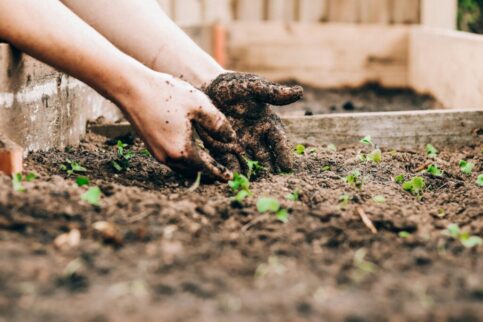
Step 2: Start With a Manageable (but Exciting) First Garden
Your first garden doesn’t need to be big, but it should feel like a garden.
That might look like:
-
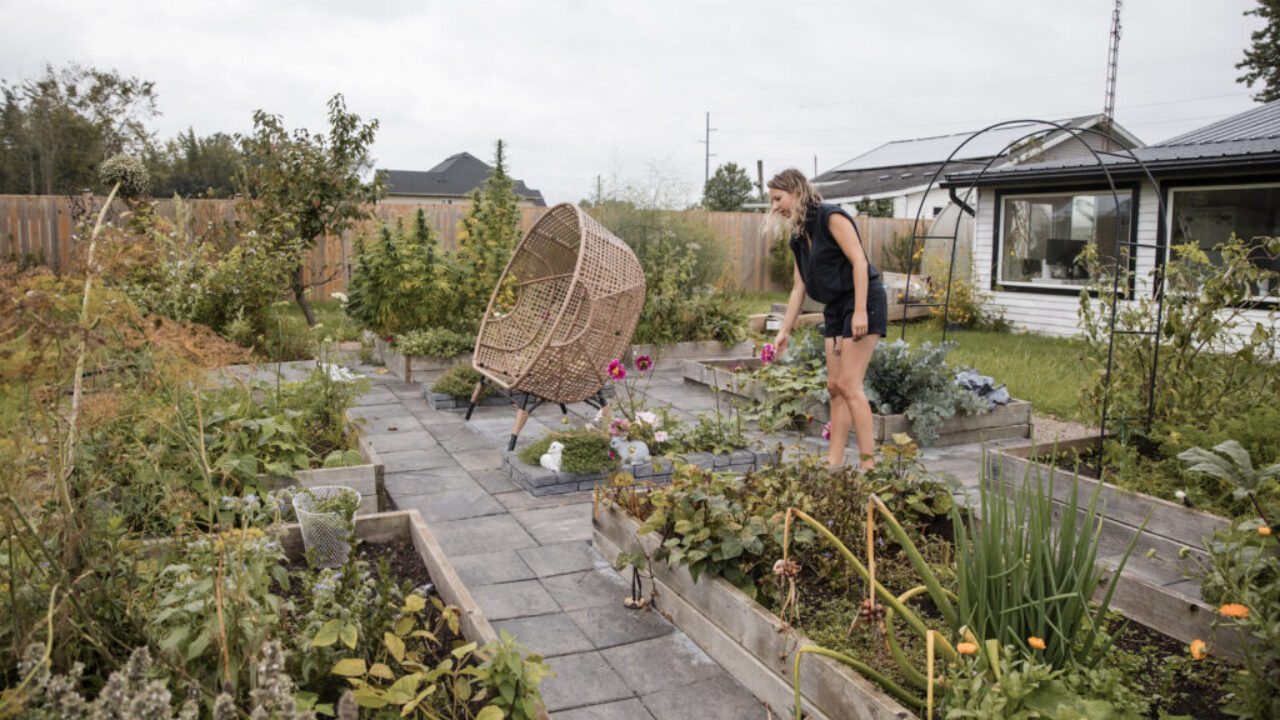
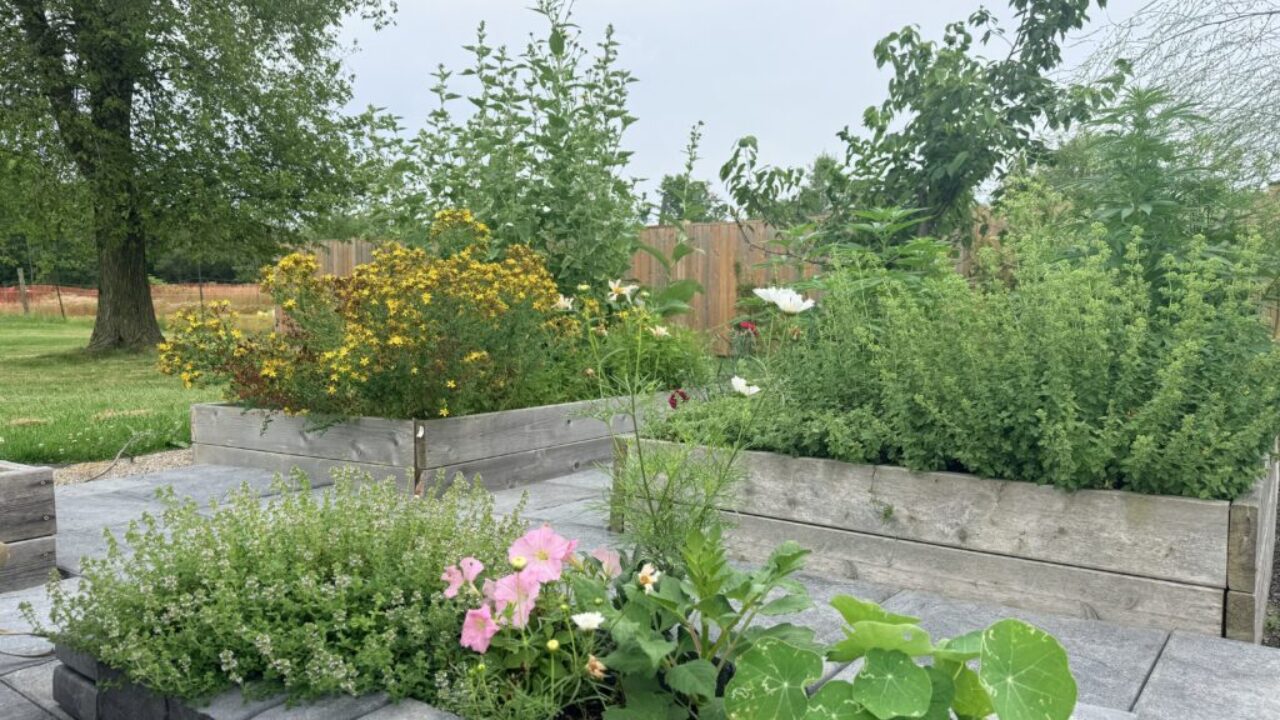
One raised bed (4×4 or 4×8)
-
A small cluster of containers
-
A simple layout with 6–10 plants you’re excited to eat
This gives you:
-
Enough variety to stay motivated
-
More chances for success
-
Less pressure on any one plant to “perform”
-
A real sense of abundance as things begin to grow
You’re not trying to grow everything. You’re simply creating a small ecosystem with a few joyful wins built in.
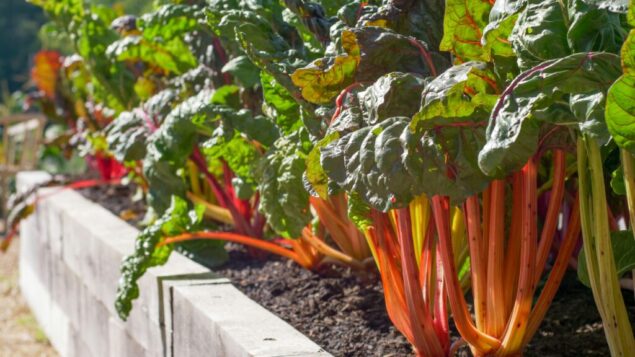
Step 3: Prepare the Soil
Healthy soil = thriving plants.
The simplest path:
Buy a bag of triple mix (compost + topsoil + peat/coir).
It gives you:
-
Better texture
-
Better drainage
-
More nutrients
-
Fewer surprises
Smooth it out, water it once, and you’re ready to plant.
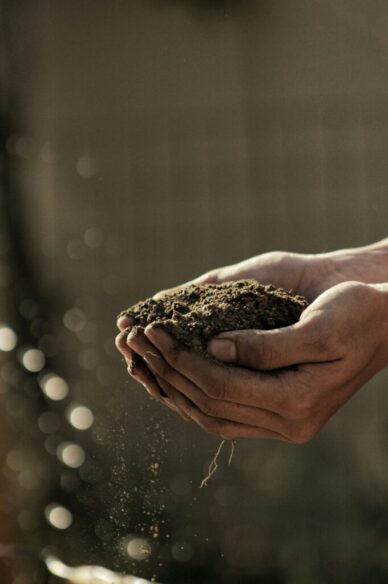
Step 4: Space Your Plants Properly
This is where new gardeners accidentally sabotage their success.
A plant’s pot size does not equal its full size.
-
Basil needs 6 inches
-
Lettuce needs 8–10 inches
-
Tomatoes need 2–3 feet
This spacing isn’t strict or scary—it’s simply giving your plants room to breathe.
If you ever feel unsure, look it up or use a garden planning tool (like Embrace) that does the spacing automatically.
Step 5: Water + Wait
A garden grows because you show up for it.
Your routine can be simple:
-
Water deeply once a week (or whenever the soil feels dry beneath the surface, cool or rainy weeks may not need watering at all)
-
Check on your plants occasionally to pull a few weeds or see how they’re growing
- Let nature handle the rest. Sun, wind, rain and soil microbes do far more work than people realize
And then?
You wait.
Gardening is a slow hobby—it teaches patience the way nature always does.
But it’s also unbelievably rewarding.
What to Expect Emotionally (Yes, This Matters)
Your first garden will change you more than you think.
You’ll feel:
-
A small spark of pride when a seedling appears
-
Peace from stepping outside for a few minutes to water
-
A deeper connection to your food
-
Confidence that you can learn this, and see results with your own hands
Gardening is wellness.
Gardening is grounding.
Gardening is a way back to yourself.
A Final Word
If you feel overwhelmed, that’s okay.
If gardening feels unfamiliar, that’s normal.
But if you feel even a tiny pull toward this—toward beauty, toward slowness, toward growing something real and meaningful—listen to it.
Your very first garden can change your life.
And you are absolutely capable of growing one.