If you’ve ever tried to learn how to garden and felt overwhelmed, confused, or unsure where to start, you’re not alone.
Not because gardening itself is complicated — but because most gardening advice is.
There are endless articles, videos, checklists, and tips. Some tell you to start seeds early. Others warn you not to. Some insist you need special tools, special soil, or the “right” method to succeed. And before you’ve even planted anything, you’re already being introduced to techniques, terminology and decisions that don’t yet have any context.
It’s easy to assume the problem is you.
It’s not.
The problem is that most gardening advice skips the part that actually helps people feel clear and grounded as they begin.
Why Gardening Advice Feels Like Too Much
It’s rarely seasonal
Most gardening advice exists outside of time.
You’ll see tips for planting, pruning, fertilizing, and harvesting — but without clear context for when they matter. For someone just getting started, that creates confusion instead of clarity.
Gardening makes sense when it’s connected to the season you’re actually in. Without that anchor, everything can feel important all at once, even when it isn’t.
It assumes experience
A lot of advice assumes experience. It jumps straight into techniques:
- succession planting
- crop rotation
- soil amendments
- companion planting
These can be useful later, but they’re often introduced before someone understands the basics: timing, spacing, sunlight, and simple care. When advice comes out of order, it feels overwhelming even when it’s well-intended.
This isn’t “advanced gardening.”
It’s misordered gardening.
It’s scattered everywhere
Gardening advice lives across blogs, videos, social media posts, saved Pins, screenshots, and half-forgotten notes. There’s rarely a single place where it comes together in a way that feels calm or coherent.
You’re left trying to assemble a system from fragments — and wondering if you’re missing something important.
A Simpler Way to Think About Gardening
Gardening isn’t about mastering dozens of techniques.
It’s about understanding a rhythm.
Every garden — whether it’s one container on a balcony or a large backyard garden — moves through the same basic phases each year:
- choosing what to grow
- planting at the right time
- caring for plants as they establish
- harvesting and resetting for what comes next
The details can change. The structure doesn’t.
When you understand that structure, everything else starts to make sense.
What Actually Helps (and What Doesn’t)
What helps:
- knowing what matters now
- learning in layers instead of all at once
- seeing gardening as a seasonal practice, not a checklist
What doesn’t help:
- feeling like you need to do everything perfectly
- comparing your garden to someone else’s
- letting ideas meant for later distract you from what matters now
You don’t need more tips.
You need the right guidance, in the right order.
You Don’t Need to Know Everything
One myth about gardening is that you need to feel ready before you begin.
In reality, readiness comes from doing a few simple things well — and letting the rest unfold over time.
Gardening is something you return to, season after season. Each year builds on the last. Nothing needs to be rushed, optimized, or perfected.
When you approach it this way, growing plants stops feeling complicated — and starts feeling possible.
If You Want to Go Deeper
If you’d like help getting started in a way that feels clear and grounded, you might enjoy these next steps:
- Beginner Gardening: Where to Start — a simple overview of how to begin without overthinking
- You’re Not Bad at Gardening – You Just Didn’t Learn This — a reframing of what actually leads to success in the garden
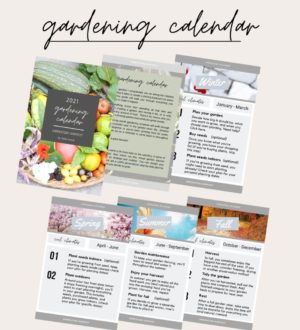
- The Embracing Harvest Garden Planner — a seasonal planning system designed to keep everything in one calm place
However you choose to learn, know this:
You’re right where you need to be.
You’re learning how gardening works — one season at a time.