Gardening After Frost? How to Keep Harvesting Vegetables Into Winter
Your first frost doesn’t have to mean the end of your gardening season. With the right plants, a little planning, and some simple protection, you can keep harvesting vegetables long after temperatures start dropping.
Every fall, gardeners start pulling out their plants, cleaning up their beds, and getting everything ready for winter. And while I agree with a little garden cleanup at this time of year, I’m definitely not ready to call it a season.
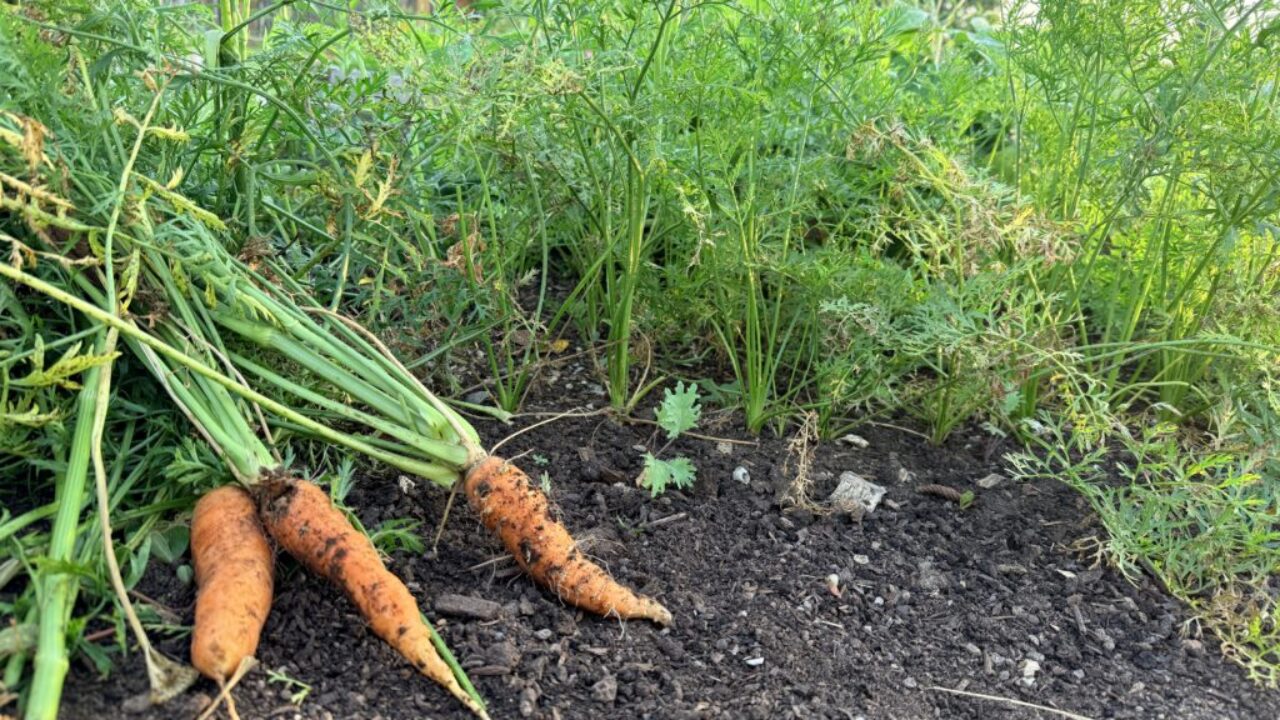
Here in Ontario, Canada, our first frost typically arrives in October. But I’m often still harvesting carrots, leafy greens, and other cold-hardy veggies well into December (and some even into January/February)!
That’s easily another two months of fresh food from my garden, long after the traditional growing season has ended.
And here’s the best part: you don’t need a greenhouse to do this.
I love my greenhouse, and it allows me to push the season even further. But the strategies I’m sharing here work in ordinary outdoor garden beds, too.
The secret isn’t trying to keep summer going forever. It’s learning to work with the changing seasons instead of fighting them.
Can You Really Garden After the First Frost?
Absolutely! But there’s an important difference between growing vegetables through winter and harvesting vegetables through winter.
As the days get shorter and temperatures drop, plant growth slows dramatically. In colder climates with short days, it can almost stop altogether during the darkest part of winter.
That’s why I aim to have most of my fall and winter vegetables nearly fully grown before our first frost arrives. If you want to actually plant and see significant growth in winter in a cool climate, you’d need to add extra light and heat. But that’s not what I’m talking about here.
I’m not expecting my garden to produce an entirely new crop of vegetables. Instead, I’m protecting the plants I have so I can continue harvesting them for weeks and months afterward.
I like to think of it as turning my garden into an outdoor refrigerator.
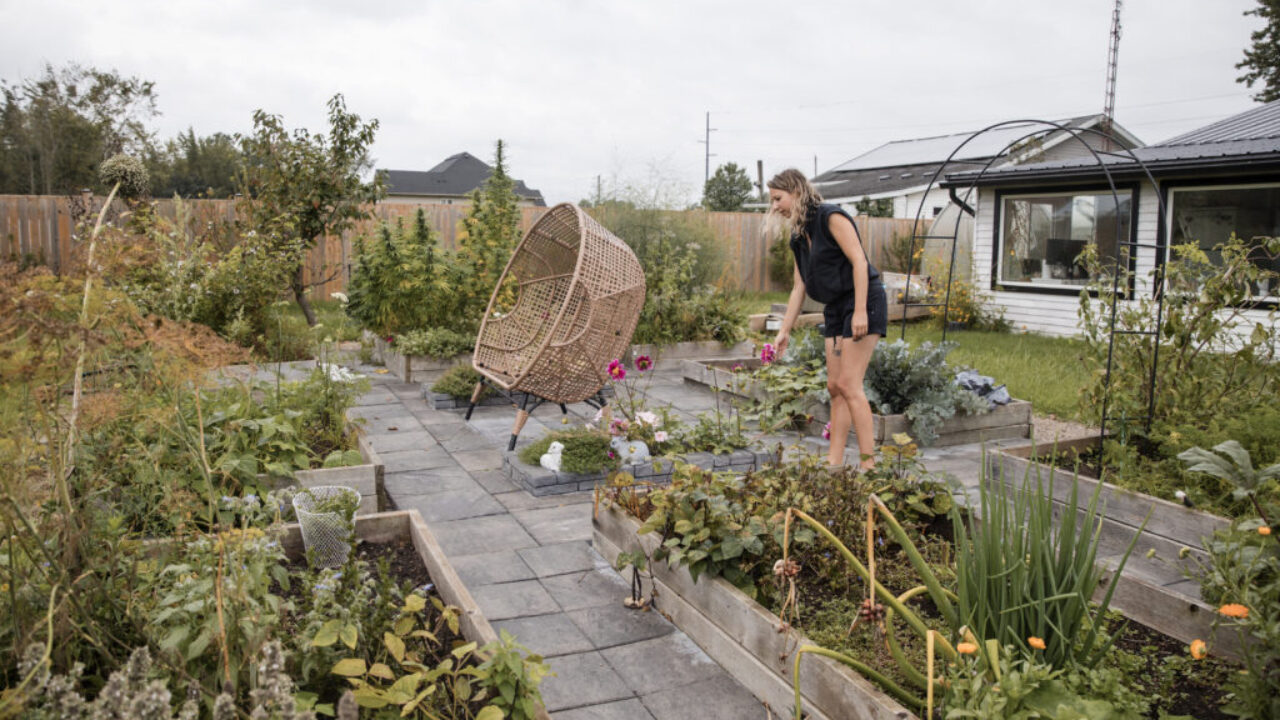
Rather than harvesting everything at once and finding room for it inside, I leave many of my cold-hardy vegetables right where they’re growing. Then I can head outside and harvest what I need.
It’s one of my favourite ways to make the most of my garden without adding a lot of extra work. And there’s something magical about harvesting herbs and veggies under snow.
Of course, how long you can keep harvesting depends on your climate, the vegetables you’re growing, and the protection you’re using. Some years I get more time, other years less. But with my setup and planning, 2 extra months is pretty reliable.
Want to keep harvesting beyond your first frost?
You might be surprised how much longer you can keep your garden going. It’s not just about covering your plants when it gets cold. Sunlight, timing, and choosing the right vegetables all make a difference.
I’ve put together a free Four Season Gardening Guide to help you get started, so you can spend more of the year doing what you love.
1. Pay Attention to Winter Sunlight
When we think about extending the growing season, temperature is usually the first thing that comes to mind. But before I even think about frost protection, I look at sunlight.
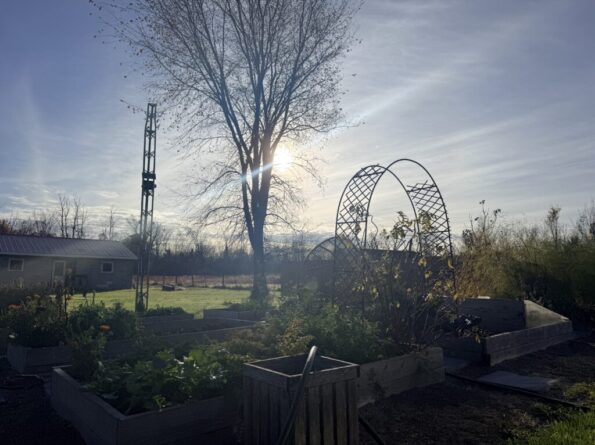
The sun sits much lower in the sky during fall and winter than it does in summer. That means shadows are longer, and areas that received plenty of sunshine in July might spend much of November in the shade.
This matters because plants are already dealing with shorter days. If they’re also growing in a heavily shaded location, they’ll have even less energy available for growth.
In my own garden, I pay attention to which beds continue receiving good sunlight as the seasons change. Those are the areas I prioritize for cold-weather crops.
You can’t always change your garden’s location, but understanding its seasonal sunlight patterns can help you make better planting decisions.
2. Choose Cold-Hardy Vegetables and Plant Them Early Enough
Not every vegetable belongs in a winter garden.
I’m certainly not trying to keep tomatoes, cucumbers, or zucchini growing outside until December. Those plants need warmth, and frost can quickly hurt them.
Instead, I focus on vegetables that naturally tolerate cooler temperatures.
But choosing the right vegetables is only half the equation. You also need to plant them early enough.
As daylight decreases, growth slows significantly. That means you can’t wait until your first frost to start planting and expect a full harvest a few weeks later.
For many of my fall crops, I’m planting in late summer so they have time to reach a good size before the cold weather settles in.
I work backward from my expected first frost date, using the variety’s days to maturity as a starting point and allowing extra time for slower fall growth. See this post for a full walkthrough of when is the best time to plant a fall/winter garden.
By the time my first frost arrives, I want most of those vegetables well established and ready, or nearly ready, to harvest.
That’s what makes the outdoor refrigerator approach possible. I’m protecting food I’ve already grown rather than trying to grow an entirely new garden in December.
Which Vegetables Can Survive Freezing Temperatures?
Some vegetables are surprisingly resilient when temperatures drop below freezing, especially once they’re established.
Some of my favourites include carrots, kale, spinach, claytonia, mâche, and certain cold-tolerant lettuce varieties. Some vegetables, like carrots and kale, can even develop a sweeter flavour after exposure to cold weather. I’ve shared more of my favourite cold-weather crops in this post. Vegetables That Survive Freezing Temperatures.
3. Protect Your Plants From the Cold
Once you’ve chosen the right plants and given them enough time to grow, the final piece is protection.
And this doesn’t have to be complicated.
These are a few common ways to protect your vegetables after the first frost, depending on your preferences and how cold your winters get.
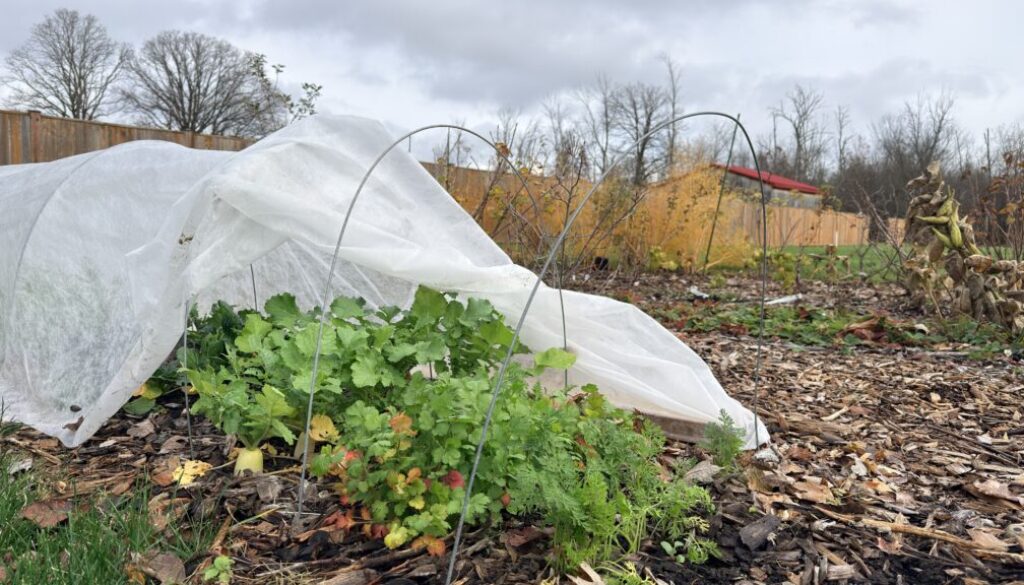
Row covers and hoops are one of the simplest options. They can help protect plants from frost and cold winds, and they’re relatively inexpensive to add to existing garden beds.
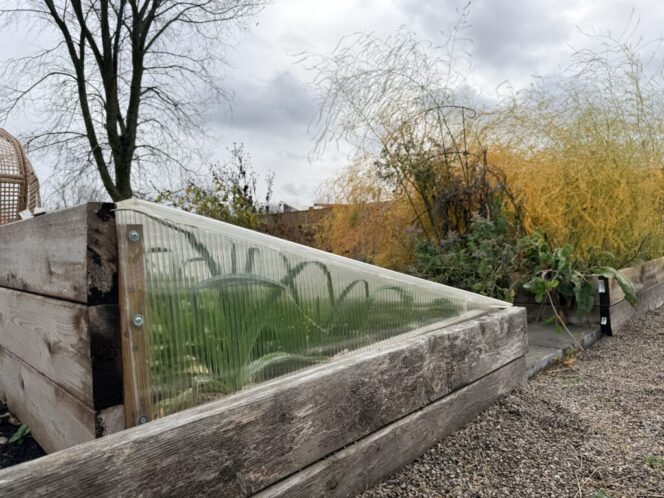
Cold frames offer a little more structure and protection, and I find my plants last in these longer than the hoops.
And then there’s my greenhouse, which I absolutely love. It gives me more options for extending my season, but I want to emphasize that it’s not necessary for getting those extra two months of harvests.
In fact, I can push my greenhouse even further by adding a row cover inside it, creating an additional layer of protection around the plants.
No matter which method you choose, remember that covers aren’t magic. They can help protect plants from damaging temperatures, but they can’t replace the sunlight and growing time plants need.
That’s why successful season extension comes down to three things working together: sunlight, the right plants planted at the right time, and protection.
Make the Most of Your Gardening Season
One of the biggest lessons I’ve learned from gardening in a cold climate is that the first frost doesn’t have to mean the end of the season.
You aren’t trying to keep everything growing like it’s July. You don’t need a heated greenhouse. And you certainly don’t need to spend hours outside every day trying to keep your winter garden alive.
With a little planning, the right vegetables, and some simple protection, you can continue enjoying fresh harvests long after the traditional gardening season has ended.
And the same principles can help you get started earlier in spring, too. So you’re not just extending one end of your growing season. You’re making the entire gardening year longer.
There’s something pretty satisfying about heading outside on a chilly December day and coming back with fresh vegetables from your own garden.
Your garden doesn’t have to end just because the calendar says it should.
Ready to Grow Through More of the Year?
If you’d like to extend your growing season, my free Four Season Gardening Guide is a great place to start.
It walks you through the important things to consider when planning for each season, so you can make the most of your garden without making gardening more complicated than it needs to be.