Even in January, my garden is still alive.
Some of it is quiet, some of it is resting, and some of it — surprising as it may seem — is offering fresh greens every single week. Winter gardening doesn’t have to be elaborate. If you have a greenhouse, cold frame, low tunnel… or even just a few mild days here and there, there’s still so much you can do now to set yourself up for a beautiful spring.
Today I’m sharing everything I’m doing in my garden in January — what I’m harvesting, what I’m pruning and prepping, what I’m starting from seed, and how I plan my spring and summer beds long before the snow melts.
Think of this as a gentle checklist for your own winter garden rhythm.
Harvesting from My Winter Greenhouse
Inside my unheated greenhouse, I’m still harvesting food.
It’s not the big, lush summer harvest — it’s more of a “snack garden,” as I always think of it. Tender arugula leaves, sorrel that my kids devour by the handful, and kale that looks ragged only because we’ve picked it so often.
Winter greenhouse greens have a softness and sweetness that summer heat can’t replicate. Arugula especially grows more willingly for me in winter than in spring or summer.
If you have any kind of protected space — even a small, covered patio — experiment with cool-season greens in winter. You might be surprised by how much you can harvest.
Cold Frames & Low Tunnels: Outdoor Harvests in the Snow
Even without a greenhouse, winter doesn’t have to stop your harvests.
In my outdoor garden, I grow through the cold using cold frames, low tunnels, and simple row covers. My arugula out here is much larger (I planted this earlier), and I’ve also got:
- Dandelion
- Lettuce
- Mâche
- Dill
- Cilantro
Yes… even cilantro survives beautifully under cover.
When snow builds up heavily, I brush it off so my covers don’t collapse and so the plants still get light. Light is what winter is really about — not temperature.
January Garden Jobs on Mild Days
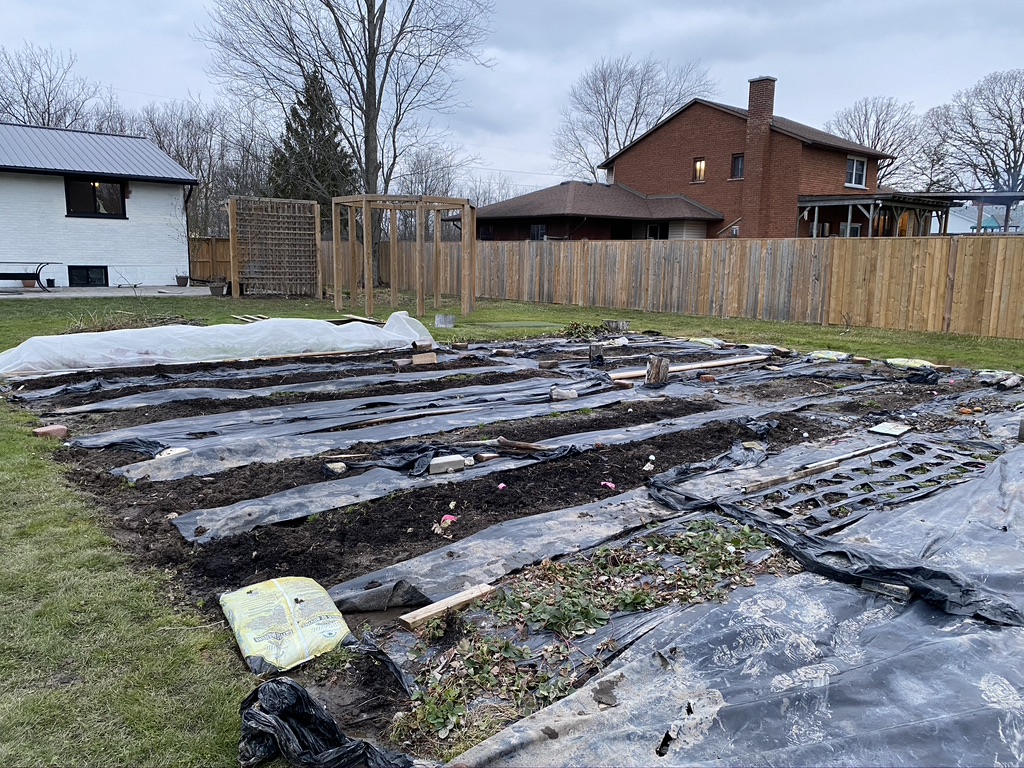
We’ve had a mild winter, which means I’ve been able to get outside more often than usual — and I take full advantage of that.
Here’s what I focus on:
• Building or extending garden paths
I’ve started laying landscape fabric and hauling rocks over to prep the paths for my expanded greenhouse area.
• Prepping raised beds
I’m redoing several of my raised beds this year, so any physical work I can do now saves me time during the rush of spring planting.
• Clearing weeds from neglected corners
We moved into this property with a LOT of garden, and any area you leave unattended will turn into a weed nursery. In January, I pull anything that’s gone to seed so I’m not dealing with thousands of baby weeds later.
These small tasks now feel like a gift to my future spring self.
Starting Seeds in January (Yes, It’s Time!)

This might be my favourite part of winter gardening.
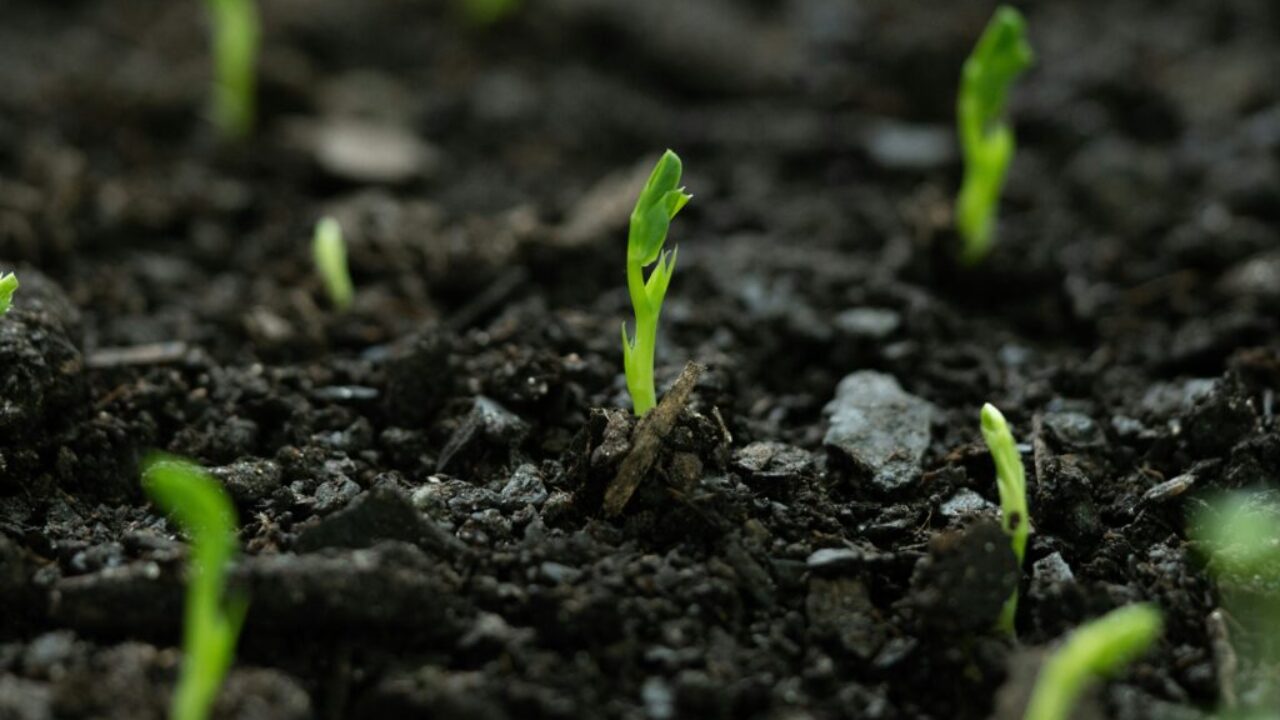
January and February are when I start many of my seeds — some indoors under lights, and some directly in the greenhouse. You absolutely don’t need a greenhouse to do this. My exact setup used to be fully indoors, and it works just as well.
This is the time to start cool-season crops for your region:
lettuce, kale, cabbage, onions, and certain herbs — depending on your climate.
If you’ve never followed a climate-based planting schedule, it’s a huge game changer. Before I used one, I planted everything in April–May because that’s when the garden centers opened. But most cool-season crops actually want to be started much earlier.
Starting early = healthier seedlings + better harvests.
Curious when your garden wants to begin? I put together a step-by-step guide to help you create a planting schedule perfectly matched to your climate. You can explore it here.
Planning My Spring & Summer Garden in January

This is one of the most important winter tasks — and one of the most enjoyable.
Here’s my January planning routine:
1. Flip through seed catalogues
I get way too excited about new vegetables, herbs, and edible flowers.
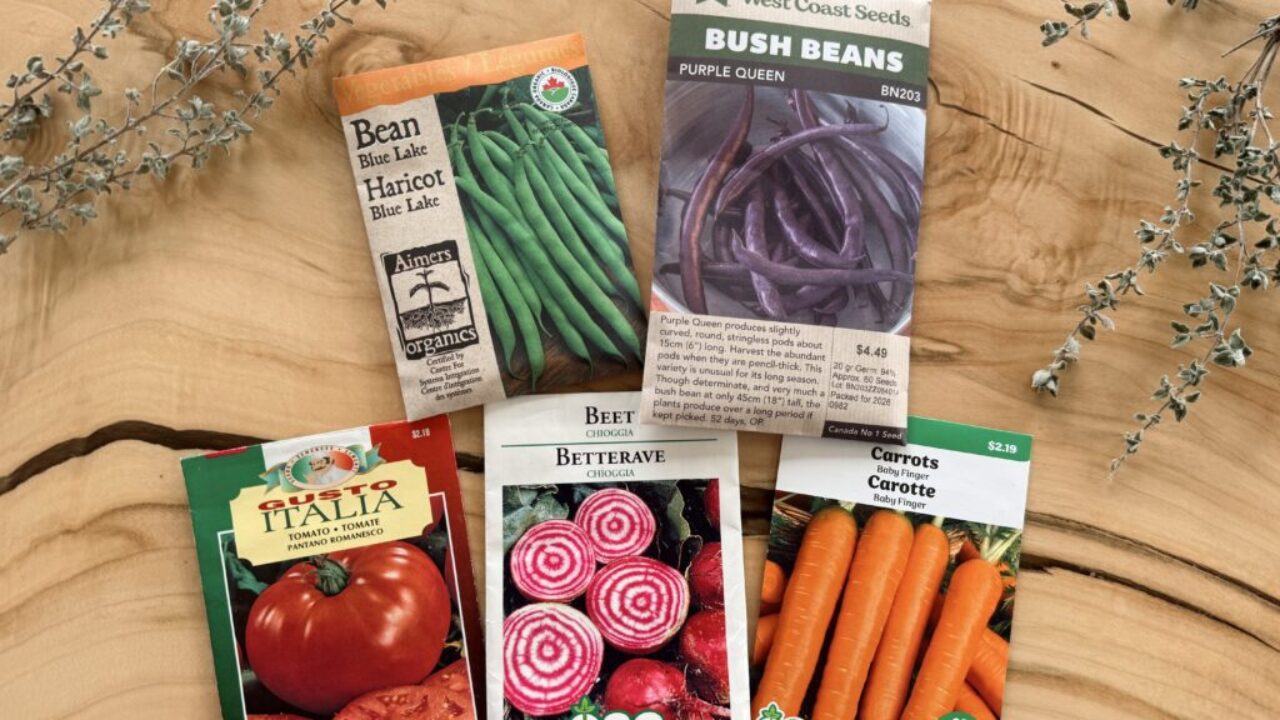
2. Check my seed collection + expiry dates
Seeds don’t “go bad,” but their germination rate declines. January is the perfect time to test or replace anything that’s questionable.
3. Design my garden layout
I sketch out my raised beds, rows, and containers — deciding where everything will go this season.
Right now I use my own garden planner to map everything out (soon to be replaced with the new Embrace app).
4. Build my personalized planting schedule
This tells me exactly when to start each crop indoors or outdoors — based on my zone, not generic advice.
Following a real schedule (not guesswork) is one of the biggest reasons my garden has improved so dramatically in the last few years.
Slow Winter Rituals in the Garden

Winter gardening isn’t just about productivity.
This season, I’ve made a point of walking through my garden more often — simply noticing things. I pick rose hips here and there, enjoy the quiet, and end the day with a mug of homemade tea.
This week’s blend:
Chamomile + lemon balm, both dried from my own garden.
Preserving herbs through summer has made my winter feel so much more connected to the garden, even when everything outside is sleeping.
Want a Simple Guide for What to Do in Your Garden Right Now?
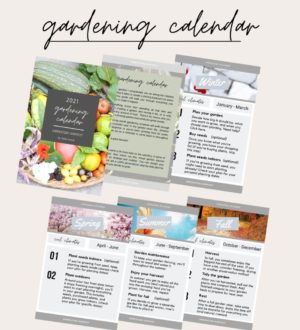
Whether you’re harvesting winter greens or just planning for spring, I’ve created a beautifully simple season-by-season garden checklist.
You’ll get:
✔ What to do in your garden this season
✔ Gentle reminders, not overwhelm
✔ Inspiration for winter, early spring, summer, and fall
✔ A taste of what the Embrace Garden Companion will offer you year-round
Download your seasonal garden guide here
And if you want early access to the Embrace Garden Companion, you can sign up here — I’ll send you the updates as soon as they’re ready.