A beginner’s guide to starting a beautiful, thriving garden.
Growing your own food is one of the most grounding, nourishing hobbies you can bring into your life. You step outside, breathe fresh air, touch the soil, and create something real — something delicious — right at home.
If you’ve been longing for a garden but aren’t sure where to begin, this guide is for you.
Together, we’ll walk through the simple steps that turn a blank patch of earth (or even just a container!) into a place where real food grows.
It doesn’t need to be complicated.
It doesn’t need to be perfect.
And you absolutely don’t need a green thumb.
Just a gentle plan — and a willingness to begin.
Choose Where Your Garden Will Grow
You can grow food almost anywhere:
raised beds, containers, in-ground beds, patios, community plots… even tiny corners of a backyard.
Start with sunlight
Plants are happiest with 6 or more hours of sunlight per day.
But if you only have 3 hours, you can still grow, you’ll simply choose plants that thrive in partial shade (like leafy greens, herbs, and edible flowers).
If you don’t have any usable outdoor space at home, look for:
-
Community gardens
-
Rented garden plots
-
Urban allotments
-
Shared spaces offered by local gardening groups
There are more options than most beginners realize — your garden might be closer than you think.
Prepare Your Soil (Your Plants Will Thank You)
Technically, you can plant in whatever soil you already have.
But if you want reliable, happy results from the very beginning, one of the best investments you can make is a bag (or a few bags) of triple mix.
Triple mix is made of:
-
Compost
-
Topsoil
-
Peat moss
This blend creates a soft, rich structure that:
-
Holds moisture beautifully
-
Feeds your plants
-
Helps roots spread easily
-
Makes watering more forgiving
Adding fresh soil isn’t mandatory — but it dramatically increases your chances of early success.
Before planting:
-
Add your triple mix to your bed or container
-
Smooth and level the surface
-
Water the soil so it’s evenly moist
Moist soil helps young roots settle in with less shock.
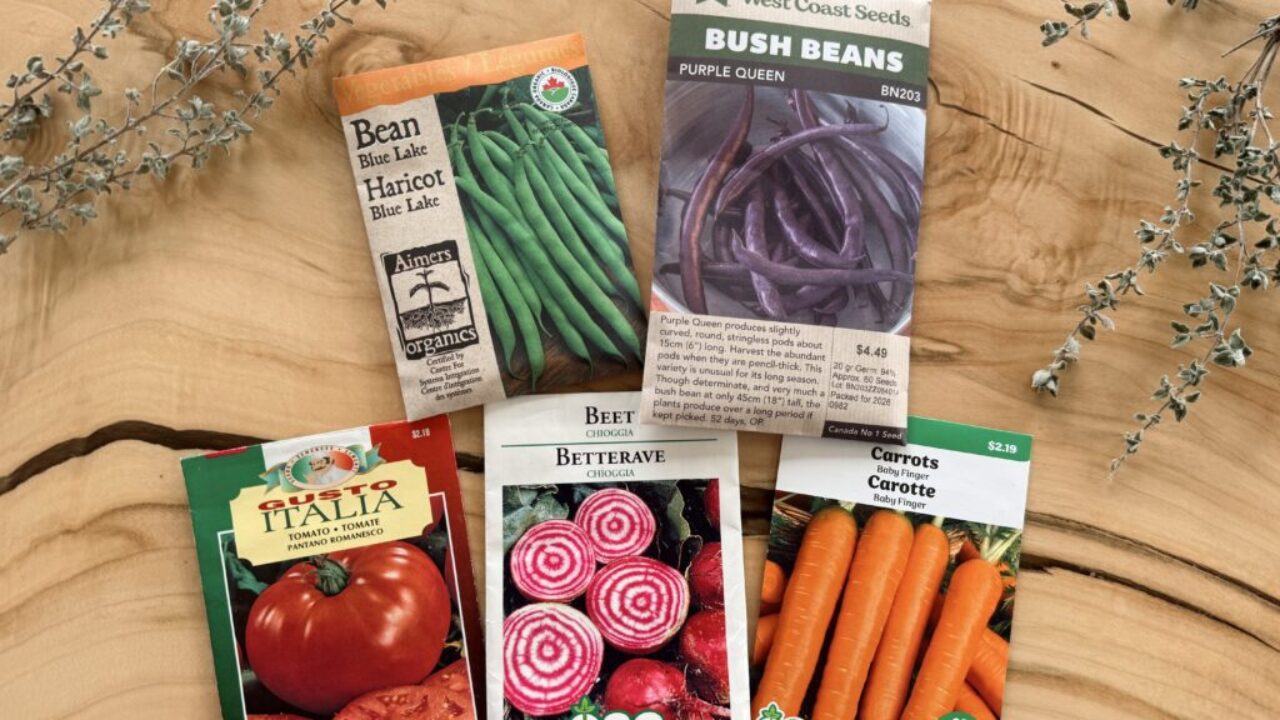
Choose Your Plants
This is where gardening becomes fun.
Pick plants you love to eat and that match your sunlight conditions:
Full sun (6+ hours):
Tomatoes, peppers, cucumbers, basil, zucchinis, melons
Partial sun (3–5 hours):
Lettuce, spinach, kale, herbs, edible flowers, mint, chives
Very low sun:
Consider shade gardens or community plots. Even experienced gardeners struggle below 3 hours of light.
If you’re buying starter plants (transplants), use the tag to check:
-
Recommended spacing
-
Sun requirements
-
Mature size
If the tag doesn’t list spacing, look it up before planing. Spacing is more important than beginners realize. Tiny seedlings can turn into huge plants.
Plant Your Garden
After watering the soil:
-
Dig a hole slightly bigger than the pot your plant came in
-
Squeeze the pot gently to loosen the root ball
-
Lift out the plant, being careful not to tug on the stem
-
Place the plant so the soil line matches your garden’s soil level
-
Backfill with soil
-
Press gently to secure the roots
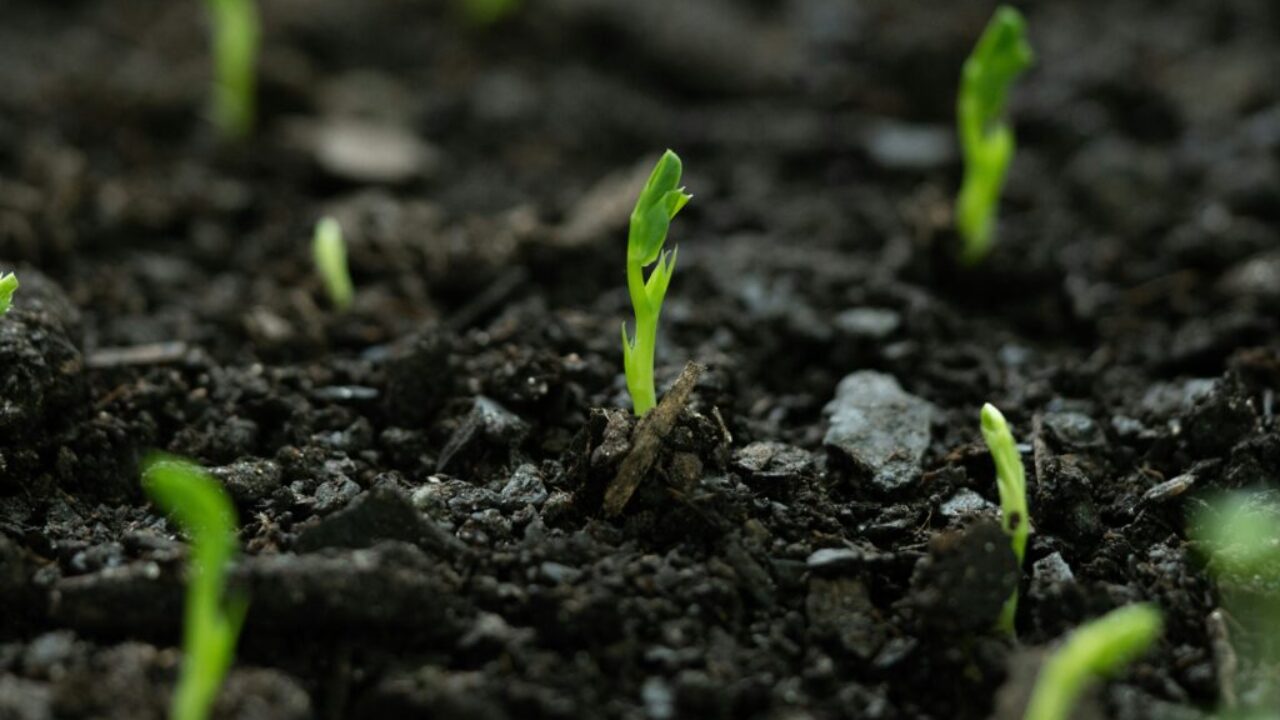
If the plant looks a little droopy right after planting, don’t worry — this is normal. It will perk up within a few hours.
And remember: spacing matters.
A tomato seedling may be small now, but its adult size can easily reach several feet.
Care for Your Growing Garden
Gardening is a patient art.
From planting day to harvest day, weeks or even months may pass — but this waiting season is where the magic happens.
During this time:
💧 Water regularly
Most new gardeners underwater.
Aim for consistent moisture — not soaked, not dry.
🌱 Weed gently and consistently
Weeds compete for nutrients and water.
Even light weeding every few days makes a big difference.
🐛 Watch for pests
Start simple:
Use nets to protect your plants, and observe your garden daily.
With experience, you’ll naturally learn what’s normal and what isn’t.
And then… one day…
You’ll walk outside and realize your first harvest is ready.
It never gets old.
Learn as You Grow
Every gardener — beginner or expert — learns by doing.
When questions come up (and they will), you have options:
-
Google and YouTube
-
Gardening books
-
Local courses
-
Online courses or apps
-
Community gardeners
-
Trial and experience
There’s no wrong way — only the way that keeps you moving forward.
The more seasons you grow, the more intuitive gardening becomes.
Truly — every single gardener you admire started exactly where you are.
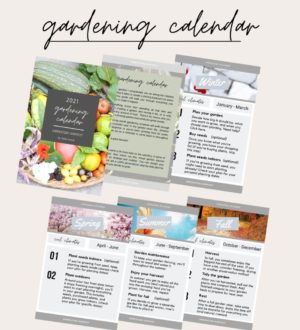
Want step-by-step support as you begin?
Embrace gently guides you through:
-
Exactly what to plant and when (based on your location)
-
How to space your plants
-
A personalized planting schedule
-
Daily and weekly tasks
-
Notes and journaling
-
Beginner-friendly tips for each plant you grow
It’s everything you need to start your first garden with confidence — beautifully organized in one place.
Watch this video to learn more about growing your own food
Time Stamps:
- 0:08 Why Grow Your Own Food?
- 0:32 Find a spot to put your garden
- 2:17 Buy soil
- 3:05 Buy plants
- 4:04 Water before planting
- 5:26 Dig a hole and plant
- 6:31 Plant spacing
- 9:00 Care for your plants
If you enjoyed this and might want to come back to it later, pin it to your Pinterest Beginner Gardening board.
Opt-in text from doc