A guide for anyone who thinks they “just can’t keep plants alive.”
Have you ever joked that you have a brown thumb?
Called yourself a plant killer?
Wondered why everyone else seems to know what they’re doing?
If that’s you, take a breath. You’re not alone.
Most “brown thumbs” aren’t actually failing at gardening.
They’re simply missing three foundational rhythms that every successful gardener follows, even if they don’t talk about it.
Once you learn these steps, everything changes.
You stop guessing.
Your plants stop dying.
And gardening shifts from discouraging… to deeply rewarding.
Let’s turn that brown thumb into a green one, step by step.
Step 1: Baby Your Plants When They’re Young
The newborn stage: a little extra love goes a long way.
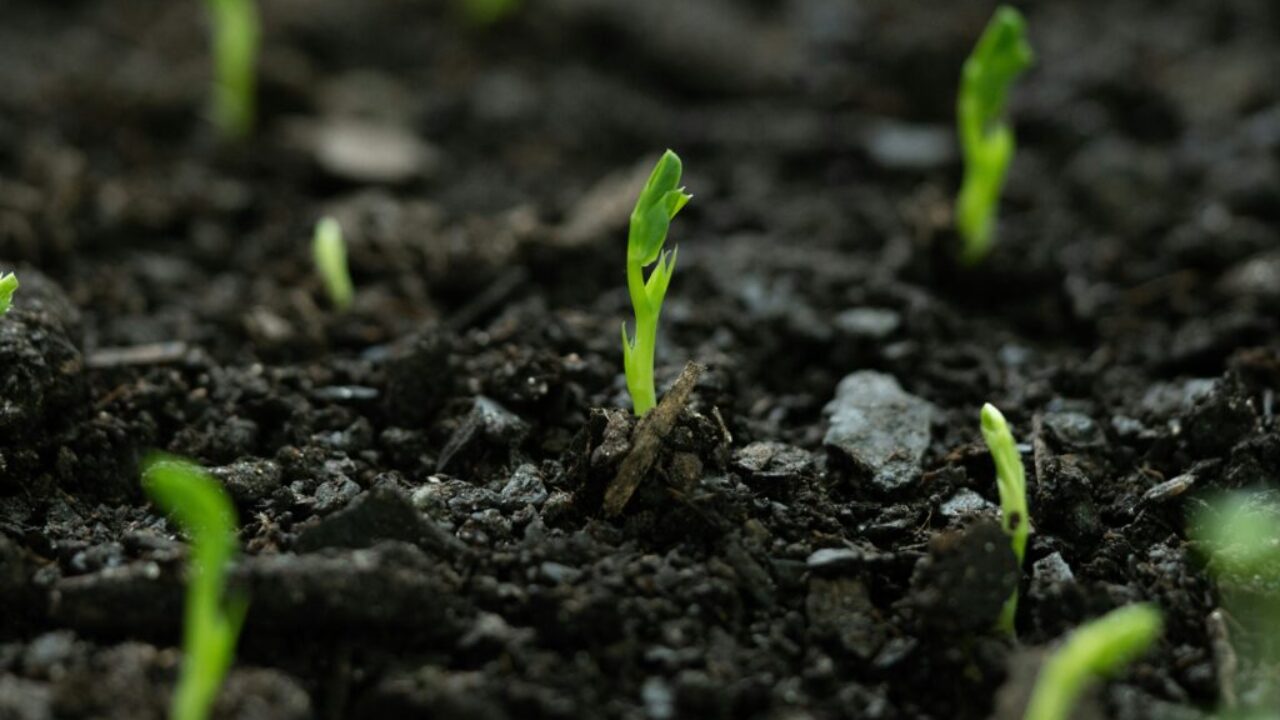
When a plant is brand new, a seedling, a transplant, or a freshly sown seed, it’s incredibly delicate. Think of this stage like a newborn baby: it needs more protection, more consistency, and more attention than it ever will again.
Most “plant failures” happen here.
In this early phase, plants need:
-
Consistent daily watering (yes, daily!)
-
Protection from weeds, which steal nutrients
-
Protection from pests, who love soft new leaves
-
Gentle, steady care until they’re established
-
Cloth or temporary cover if the cold, sun or wind is harsh
Once your plant settles into the soil and begins growing confidently, it becomes like a toddler — sturdier, adaptable, and far easier to care for.
If you’ve lost plants early before, this is often the missing piece.
Step 2: The Maintenance Phase
The quiet middle season — watering, weeding, waiting.
After those first few weeks, your garden enters what I call the in-between.
You aren’t harvesting yet.
You aren’t doing anything dramatic.
You’re simply tending.
This is the longest phase of gardening, and the easiest to underestimate.
During maintenance you should:
✔ Water consistently
Plants don’t thrive on “when I remember” watering.
If you’re unsure, a soil moisture meter helps you avoid over- or under-watering.
✔ Keep weeds under control
This is about more than aesthetics.
Weeds compete for nutrients and water, stealing the energy your plants need to grow.
✔ Watch for pests
As a beginner, start simple:
Use netting to protect vulnerable plants.
Save companion planting and advanced strategies for later.
This quiet phase is gardening’s heartbeat — slow, steady, nurturing.
Step 3: Garden Planning (The Secret Most Beginners Skip)
This is the step that changes everything.
Most new gardeners assume the problem is them.
“I’m not good at plants.”
“I can’t keep anything alive.”
“I just don’t have a green thumb.”
But truly?
The issue is almost always timing, spacing, or plant choice.
Garden planning solves all three:
1. Planting at the right time
Every city has its own seasonal rhythm.
Your ideal planting window for a plant might be April-May…
or June-July…
or February-March.
If you plant too early or too late, even perfect care won’t save your plants.
2. Choosing plants that match your space
If you have shade, grow shade-friendly crops.
If you have only a balcony, choose compact varieties.
If you have three hours of sun, skip tomatoes — they want full sun.
This isn’t about rules. It’s about alignment.
3. Giving your plants the right spacing
Plants need room to breathe.
If they’re too crowded, they’ll compete and collapse.
If they’re spaced well, they thrive.
When you combine timing + plant choice + spacing… gardening stops feeling random, and starts feeling predictable — almost easy.
Bonus Rhythm: Repeat & Refresh
For your next season — and the one after.
Once you’ve harvested, there’s one final step that keeps your garden strong year after year:
-
Add compost to replenish nutrients
-
Rotate crops (if possible) between beds to prevent pests and disease buildup
-
Reflect on what worked, what you enjoyed, and what you want more of next year
Gardeners don’t get a green thumb through luck.
They get it through rhythm.
And you can absolutely learn that rhythm.
You Don’t Need a Green Thumb. You Need a System
If you follow these three steps:
-
Baby your plants when they’re young
-
Maintain gently through the growing season
-
Plan your garden (timing, spacing, plant choice)
You will grow healthy, beautiful plants.
You will harvest your own food.
You will feel confident.
These aren’t advanced techniques.
They’re the foundation.
Everything else – composting styles, vertical growing, companion planting – comes after you’ve established these basics.
For Extra Support: Embrace
If planning feels overwhelming, Embrace does the hard parts for you:
-
Finds your exact planting window
-
Suggests the right plants for your climate
-
Calculates spacing automatically
-
Builds your schedule for you
-
Helps you track your garden season, start to finish
A green thumb isn’t a talent.
It’s a rhythm.
And Embrace helps you find yours.
Watch the Full Video
In this video, I walk through the exact 3-step method that turns plant-killers into successful gardeners.
Time Stamps:
- Step 1 – 0:25
- Step 2 – 2:50
- Step 3 – 4:37
If you enjoyed this and might want to come back to it later, pin it to your Pinterest Gardening board.