If you’ve ever said “I’m just not good at gardening”, you’re not alone.
A lot of people try growing food once or twice, struggle, and quietly decide it’s not for them. Plants die. Things don’t grow the way they expected. And it starts to feel like everyone else got some invisible “green thumb” gene that you missed.
But here’s the truth:
Most people aren’t bad at gardening. They were simply never taught a clear, supportive way to learn it.
Gardening is often presented as a collection of tips, tricks, and rules — not as a system. And without a system, it’s easy to feel like you’re constantly guessing.
The problem isn’t you — it’s how gardening is taught
Most gardening advice assumes one of two things:
- You already know the basics
- You’ll figure it out as you go
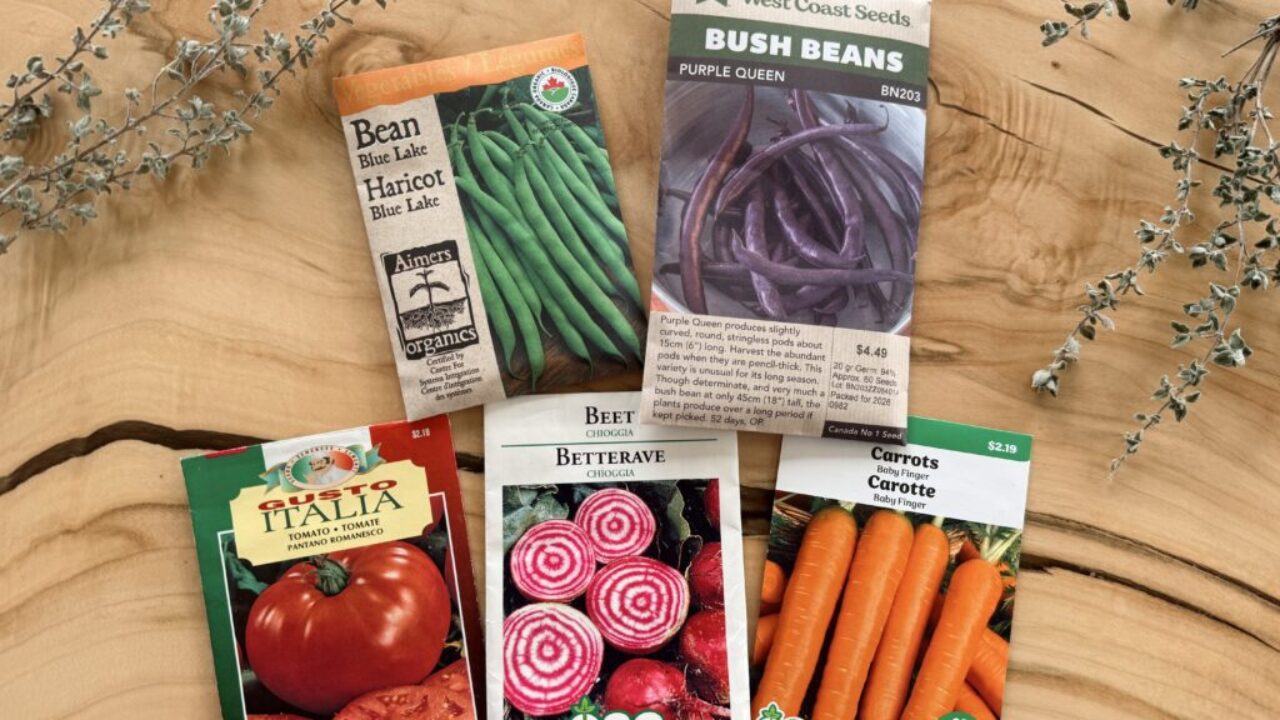
That leaves beginners stuck piecing together information from blogs, videos, seed packets, and social media — often all saying slightly different things.
One source tells you to start seeds early.
Another says wait.
Someone else says never do that thing you just did.
It’s not surprising that people feel overwhelmed or think they’re doing something wrong.
In reality, you’re trying to learn a seasonal skill without a seasonal framework.
Gardening works best when you learn it in phases
Successful gardeners — even experienced ones — aren’t doing everything at once.
They move through the garden in phases, responding to what the season is asking for right now. When you’re missing that rhythm, gardening feels chaotic.
There are a few core ideas that make everything else easier:
New plants need more attention — and that’s normal
Plants are most vulnerable when they’re young. Early care matters more than perfection later on. Many people give up here, not realizing this stage is temporary.
Maintenance is quiet and repetitive
Most gardening isn’t dramatic. It’s watering, watching, waiting, and adjusting. When nothing seems to be happening, things are often going exactly as they should.
Timing matters more than talent
Planting at the right time for your climate solves more problems than almost any other tip. When timing is off, even good care can’t fix it.
Planning removes pressure
When you know what you’re growing, when it fits into the season, and what’s coming next, gardening stops feeling like guesswork.
None of this requires special skill — just a clearer structure.
Why many people quit before they succeed
Most people stop gardening right before it starts to make sense.
They try during one season, feel unsure, and assume that discomfort means failure. But gardening isn’t instant — it’s cumulative. Confidence builds as patterns repeat.
Once you’ve seen a plant grow from start to finish a few times, everything clicks differently.
The problem is that many people never get enough support to reach that point.
Or they try a very difficult plant for their climate or experience level, or desired effort level.
You don’t need a green thumb — you need a framework
Gardening isn’t about intuition or talent. It’s about understanding a few simple patterns and letting nature lead.
When you’re supported with:
- clear timing
- realistic expectations
- gentle structure
- and a way to see the whole season at once
…gardening becomes steadier, calmer, and far more enjoyable.
That’s the shift most people are missing.
A grounded way to learn (and keep going)
If you’ve struggled before, it doesn’t mean gardening isn’t for you.
It means you weren’t given a way to learn that matched how gardening actually works, for your life — step by step, season by season.
When you stop treating gardening like a test you can fail and start treating it like a practice you grow into, everything changes.
You’re not behind.
You’re not incapable.
You’re simply learning something new — the way it was always meant to be learned.
Where to go next
If this perspective resonates, you might enjoy:
- Turn Your Brown Thumb Into a Green Thumb — understanding the fundamentals that actually matter
- Beginner Gardening: Where to Start — a clear, low-pressure entry point
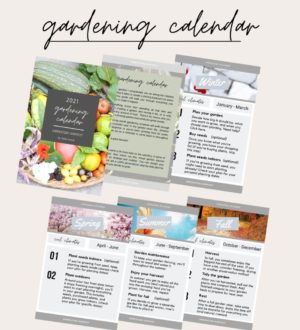
- Or exploring a planning system that helps you see your garden in season, not all at once
You don’t need to know everything to begin.
You just need a starting place that makes sense.