How to Plan Your Fall Garden: The Only 2 Numbers You Actually Need
I remember when I was first getting into gardening and trying to figure out when I was supposed to plant everything for fall. There were dates, charts, zone maps, seed packets all telling me something slightly different — it was a lot to untangle, especially if math isn’t your thing.
Here’s the good news: fall garden planning really only comes down to two numbers. Once you know them, you can plant almost anything at the right time, for your climate, without a spreadsheet headache.
Watch the video below or scroll down to continue reading.
Time Stamps:
- When to Plant Your Fall Garden – 00:34
- 2 Things to Consider – 02:12
- First Frost Date – 03:33
- Number of Days to Harvest – 04:33
- Virtual Garden Planner App – 07:51
- Cool Climate – 09:39
- Warm Climates – 09:50
If you enjoyed this and might want to come back to it later, pin it to your Pinterest Gardening Board or Fall Gardening Board.
Why Fall Planting Trips People Up
Spring planting feels intuitive — the ground thaws, you plant, things grow. Fall is the opposite direction. You’re working backward from a deadline: the first frost. Plant too late, and your crop won’t mature before the cold shuts things down. Plant too early, and heat-loving weeds and pests can crowd out young fall seedlings, or you’ll harvest into a heatwave instead of the cool, sweet conditions that make fall crops so good in the first place.
Once you flip your thinking from “when do I start” to “when do I need to finish,” it gets a lot simpler.
The 2 Factors That Matter
1. Your first frost date. This is the average date your area typically dips below freezing in fall. It’s not exact — think of it as the finish line you’re planning around, not a hard deadline.
2. Days to harvest. This is printed right on your seed packet or plant tag, and it tells you how many days from planting (or transplanting) until you can expect to harvest.
That’s it. Everything else is just doing the math backward from those two numbers.
The Manual Method
Grab a piece of paper (or a spreadsheet, if you’re that kind of person) and list out the fall crops you’re considering. For each one:
First Frost Date − Days to Harvest = Your Planting Date
If you’re direct-sowing from seed, add in germination time too, since that’s time the plant needs before the “days to harvest” clock even starts:
First Frost Date − (Days to Harvest + Days to Germinate) = Your Planting Date
A Worked Example
Say your first frost date is October 25, and you want to grow green beans, which take about 55 days to harvest.
October 25 minus 55 days lands you at roughly August 31 — that’s your planting date.
Here’s how a few common fall crops shake out using that same October 25 frost date:
| Crop | Days to Harvest | Plant By |
|—|—|—|
| Radishes | 25–30 days | Late September |
| Spinach | 40–45 days | Early September |
| Bush Beans | 50–55 days | Late August |
| Kale | 55–65 days | Mid-August |
| Broccoli (transplants) | 60–70 days | Early-Mid August |
A few things worth knowing as you do this for your own garden:
- Quick crops buy you flexibility. Radishes, lettuce, and spinach mature fast enough that you can often sneak in a second or third succession planting before frost.
- Build in a buffer. Fall growth naturally slows as daylight shortens, so plants often take a bit longer to mature than their seed packet promises. Adding 1–2 weeks of cushion to your calculated date is a smart habit, especially for anything in the brassica family.
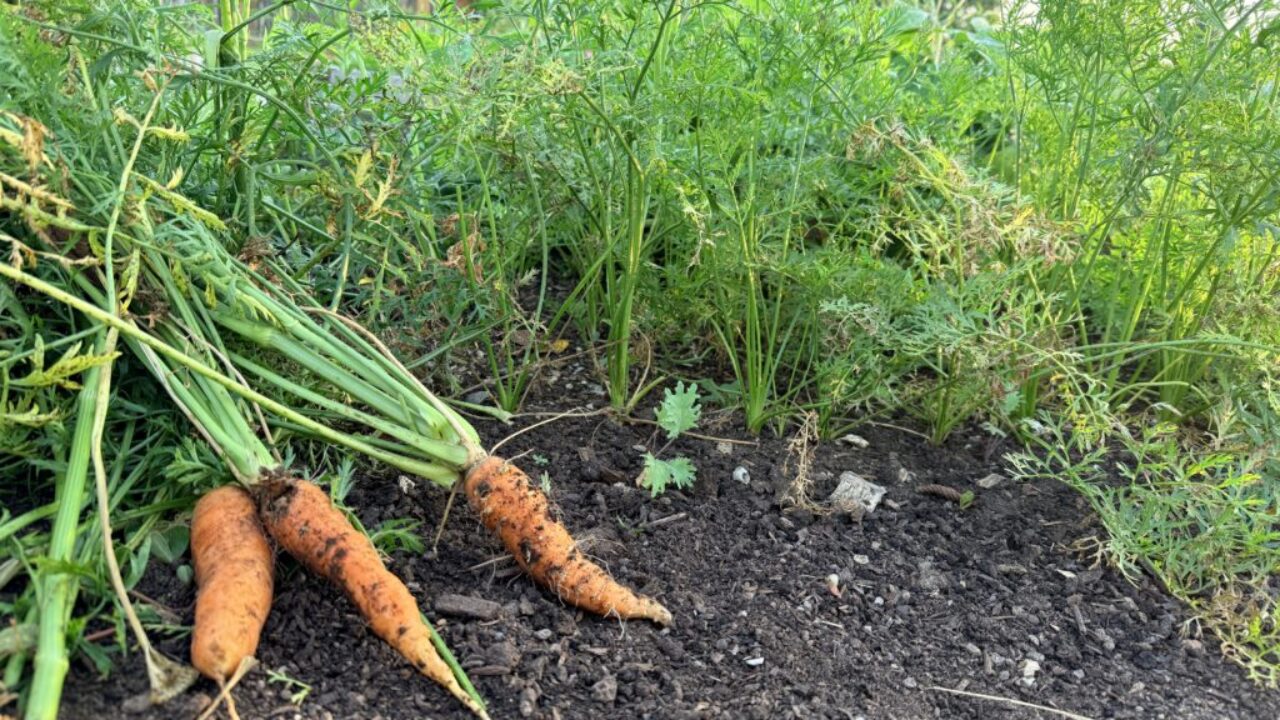
- Some crops actually improve after light frost. Kale, carrots, and Brussels sprouts get sweeter once touched by cold, so for those, planting right up against your frost date isn’t a problem — it’s actually the point.
Cool Climates vs. Warm Climates
If you’re gardening somewhere with a true cold winter (like I am, up here in zone 6b), your frost date is a hard stop — once it hits, tender crops are done, and you’re working with a fairly tight fall window.
If you’re in a warmer climate with mild winters, your “fall garden” might really just be a second growing season that stretches well into what other gardeners call winter. You have more room to stagger plantings and less urgency around that first frost date, though it’s still worth tracking in case of a surprise cold snap.
Skip the Math: Let Embrace Do the Calculating
Doing this by hand works, but it’s tedious for more than a few crops, and it’s easy to lose track once you’re planning ten or fifteen different plantings across the season.
This is exactly the kind of guesswork I built inside Embrace, the app I built for kitchen gardeners, to take off your plate. Tell it your location, and it automatically pulls your frost dates and tells you exactly when to plant each crop for fall — no spreadsheet, no mental math, no wondering if you got the germination days factored in right.
Design your own layout with Embrace, and let the planting dates take care of themselves.
Keep the Fall Momentum Going
Once your fall crops are in the ground, a little care goes a long way. If pests start showing up as temperatures cool, my guide to simple, organic pest control covers low-effort ways to keep them in check. And if you want to zoom out and see how fall fits into the bigger picture, this season-by-season breakdown walks through the whole gardening year.