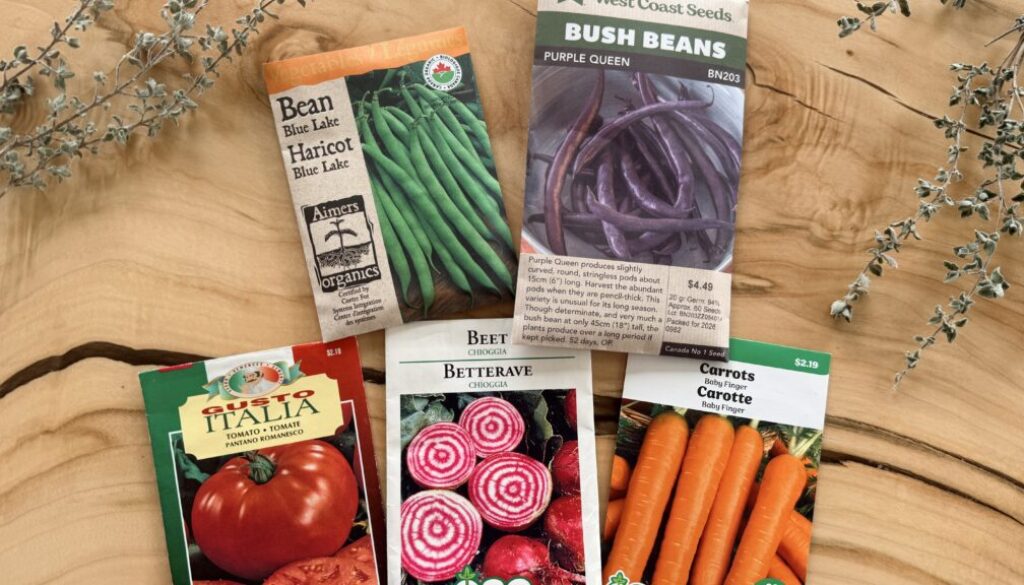
Stop trying to grow everything.
It’s one of the fastest ways to end up overwhelmed, burned out, and disappointed with your garden.
Seed catalogues, garden centers, Pinterest, and Instagram make it feel like you should grow everything — or at least make you want to.
But the most successful gardens aren’t necessarily the biggest ones.
They’re the ones that fit the person growing them.
When your garden matches your time, your climate, and what you actually enjoy growing, gardening becomes far more rewarding.
In this guide, I’ll show you how to decide what to grow in your garden based on your life and your conditions — not pressure, trends, or unrealistic expectations.
If you prefer to watch the full walkthrough, you can see the video below.
Quick Guide: Choosing What to Grow
Before planning your garden, ask yourself these five questions:
-
What foods do I actually eat or cook with?
-
How much time do I realistically have to garden?
-
Will the plant survive in my climate?
-
Do I have enough sunlight for it to thrive?
-
Am I willing to support the plant throughout the season?
Taking a few minutes to answer these questions helps you build a garden that fits your life and your environment — which leads to far more success in the long run.
Let’s start with the fun part: brainstorming what you might want to grow.
Step 1: Start With a Brainstorm List
The first step is simple: make a list of everything you might want to grow.
Don’t filter anything yet.
Just start brainstorming.
A few questions can help get ideas flowing.
What do you already cook with?
Think about the ingredients you reach for most often.
For example:
-
herbs you cook with regularly
-
vegetables your family eats every week
-
ingredients you always buy at the farmers market
If you love cooking with something, it’s often a great candidate for your garden.
Look for inspiration
If you’re unsure what to grow, inspiration is everywhere.
Think about:
-
what your neighbors are growing
-
what you’ve seen other gardeners growing online
-
plants that catch your eye in seed catalogues
This step is just about gathering ideas.
We’ll refine the list next.
Include a few easy plants
If you’re new to gardening, it helps to include a few reliable plants on your list.
These become your anchor plants — crops that tend to grow well with minimal effort.
Many herbs are great examples, including:
-
thyme
-
oregano
-
chives
Having a few easy successes in your garden makes the entire experience more rewarding.
Once you’ve written your brainstorm list, it’s time to refine it.
Step 2: Refine Your List With 5 Simple Filters
Many gardeners stop after the brainstorming stage.
They get excited and buy everything on their list.
Unfortunately, that’s where many gardens quietly fail.
Not because anyone did anything wrong — but because not everything on the list will actually work in your garden.
Running your list through a few simple filters helps protect your success.
Filter 1: How Much Time Do You Really Have?
Start by thinking honestly about your time.
Not just in spring, when gardening feels exciting, but throughout the summer as well.
Consider things like:
-
travel plans
-
busy work schedules
-
family commitments
Your garden should fit your life, not force you to rearrange your life around it.
Filter 2: Will the Plant Survive Your Winter?
This matters most for perennials, such as:
-
fruit trees
-
berry bushes
-
perennial herbs
Check whether the plant is hardy in your growing zone.
If it isn’t, you have a few options:
-
remove it from your list
-
plan to protect it in winter
-
treat it as an experiment
Being intentional about this can prevent a lot of frustration later.
Filter 3: Does Your Growing Season Allow It to Mature?
Every plant needs a certain number of days to mature.
Some crops grow quickly, while others require a long growing season.
If your season is too short for a plant to reach maturity, it may struggle even with perfect care.
That doesn’t mean you can’t experiment — but it helps to know what you’re working with.
Many gardeners balance reliable crops with a few experimental ones.
Filter 4: Do You Have Enough Sun?
Sunlight doesn’t determine whether plants grow.
It determines what will grow well.
If your garden gets limited sunlight, some plants will struggle no matter how much care you give them.
Instead of fighting your conditions, it’s often better to choose plants suited to the environment you already have.
Filter 5: Are You Willing to Support the Plant?
Some plants require frequent attention.
They may need:
-
regular watering
-
pruning
-
pest management
-
ongoing care
Others are much more forgiving.
Ask yourself honestly:
Do I actually want to take care of this plant?
Gardening should feel rewarding, not exhausting.
Choosing plants that match your energy level can make a huge difference in your enjoyment.
Once you’ve filtered your list, it helps to think about the overall balance of your garden.
Aim for a Balance in Your Garden
The most enjoyable gardens usually include a mix of:
-
reliable plants that grow well in your area
-
plants you’re excited to experiment with
Reliable plants build confidence and give you consistent harvests.
Experiments keep gardening interesting and help you learn.
Both have their place.
Clarity Is a Good Thing
After refining your list, it may be shorter than when you started.
That’s not failure.
That’s clarity.
Your goal is a list of plants that:
-
excite you
-
fit your lifestyle
-
actually grow well where you live
Most gardeners never take the time to think through this step.
If you do, you’re already setting yourself up for a more successful garden.
The Next Step: Turn Your List Into a Garden Plan
Once you know what you want to grow, the next step is deciding:
-
where everything should go in your garden
-
when each plant should be planted
-
how to organize your space
I walk through that step-by-step in this post on how to plan your garden, where we turn your list into a layout and planting schedule that actually works.
Watch or read that next so you can move from ideas to a real garden plan.