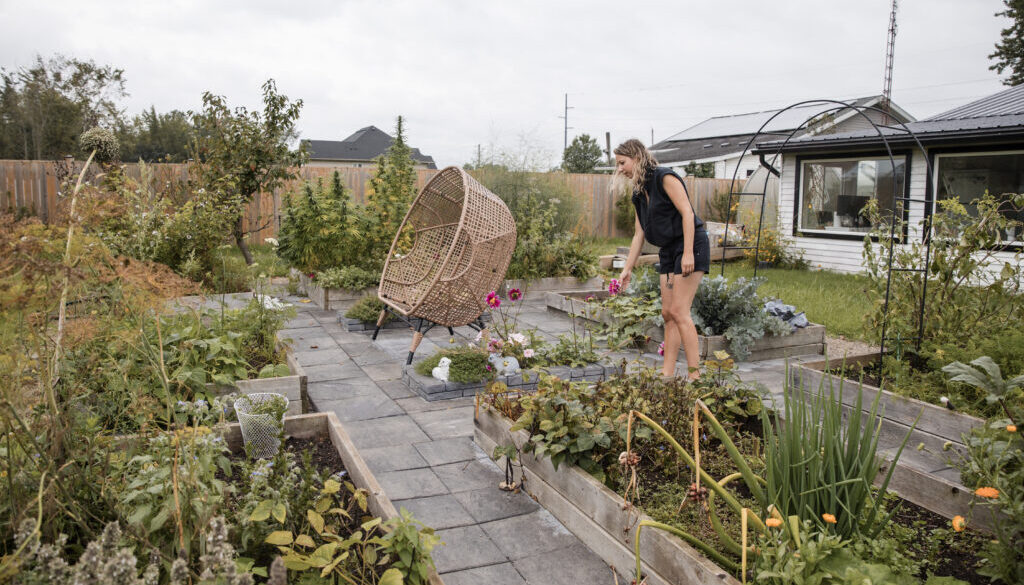
Before you pull out the last plants, clean up your beds and officially call your gardening season finished, there’s one more thing I think is worth doing: take a walk through your garden and pay attention.
Right now, your garden is full of information about what you should grow, change and do differently next year. The problem is that a lot of those little observations are surprisingly easy to forget once the garden is gone. By the time you sit down to plan next year, you might remember that your tomatoes didn’t do particularly well or that you grew too much zucchini, but will you remember exactly where the afternoon shade landed? Or that the reason you didn’t get enough strawberries had nothing to do with how many strawberry plants you grew?
That’s why, before my gardening season ends, I like to ask myself these five questions. You don’t need to plan next year’s garden yet. You just want to capture what this year’s garden is teaching you while you can still see it.
Want to do this in your own garden? Download my free End-of-Season Garden Guide. It includes all five questions, a simple end-of-season garden checklist and a place to record what you want to remember for next year.
5 Questions to Ask at the End of Your Gardening Season
Before you clean up your garden, take a few minutes to ask yourself:
- What did I wish I had more or less of?
- Did the size of my garden fit my life?
- What was actually worth growing to me?
- What didn’t go as planned, and why?
- What would I change about the garden itself?
We’ll go through each one below, but even if you only have ten minutes, walk through your garden and write down your answers while everything is still fresh.
Prefer to walk through this with me? In the video below, I’m taking you through my garden and answering all five questions using what actually happened in my garden this year. Or scroll down to continue reading.
1. What did you wish you had more or less of?
Start by thinking about your harvest. What did you constantly wish you had more of? What were you trying to give away by August? Then, before you automatically decide to grow more or less next year, ask yourself why you ended up with that amount.
My strawberries are a perfect example. I have way too many strawberry plants because I have a very hard time getting rid of perfectly healthy runners. And somehow, despite having all of those plants, I still didn’t get enough strawberries this year.
The problem wasn’t that I needed more plants. I didn’t properly net my strawberries, so the birds got a significant part of the harvest. That’s why I rely on the simple pest management strategies. The plants could also use some thinning so the ones I keep have more room. My note for next year, then, isn’t to plant more strawberries. It’s to thin the plants I already have and actually get the netting on at the right time.
The same thinking applies to anything you wanted more of. Maybe you truly didn’t grow enough, but maybe you planted too late, pests got there first, you forgot to harvest regularly or the plants simply didn’t perform well this year. Figure out what caused the shortage before deciding that the solution is more plants.
And do the same with anything you had too much of. The goal isn’t necessarily to grow as much food as your garden can physically produce. It’s to grow the amount that makes sense for how you actually use it.
2. Did the size of your garden fit your life?
I’ve changed the size of my garden many times over the years. I’ve expanded it, made it smaller and, at one point, even grew for a farmers’ market. Lately, though, I’ve actually been reducing some of the space I grow in.
One of the clues for me is harvesting. If I’m already growing food that I’m not getting outside to harvest when I should, adding another garden bed probably isn’t going to improve my gardening experience. I don’t want the biggest garden I can possibly fit on my property. I want enough garden that I can grow a lot of our food and enjoy what I’m harvesting without spending all of my available time maintaining it.
Your answer might be completely different. Maybe you started with two small raised beds and discovered that you love gardening. Maybe your goal is to grow a significant portion of your family’s food and you’re ready to expand.
Instead of asking whether your garden is objectively too big or too small, ask whether the amount of garden you had this year matched the amount of time, energy and attention you actually wanted to give it.
There is no ideal garden size. There is only the garden size that works for your life.
3. What was actually worth growing to you?
One of my favourite questions to ask at the end of the season is simply: why am I growing this?
Onions are a good example for me. I like growing them, but they’re a little finicky in my garden, I need to start them very early, and organic onions are relatively inexpensive and easy for me to buy. I’m probably not going to dedicate a huge amount of garden space to growing enough onions for storage.
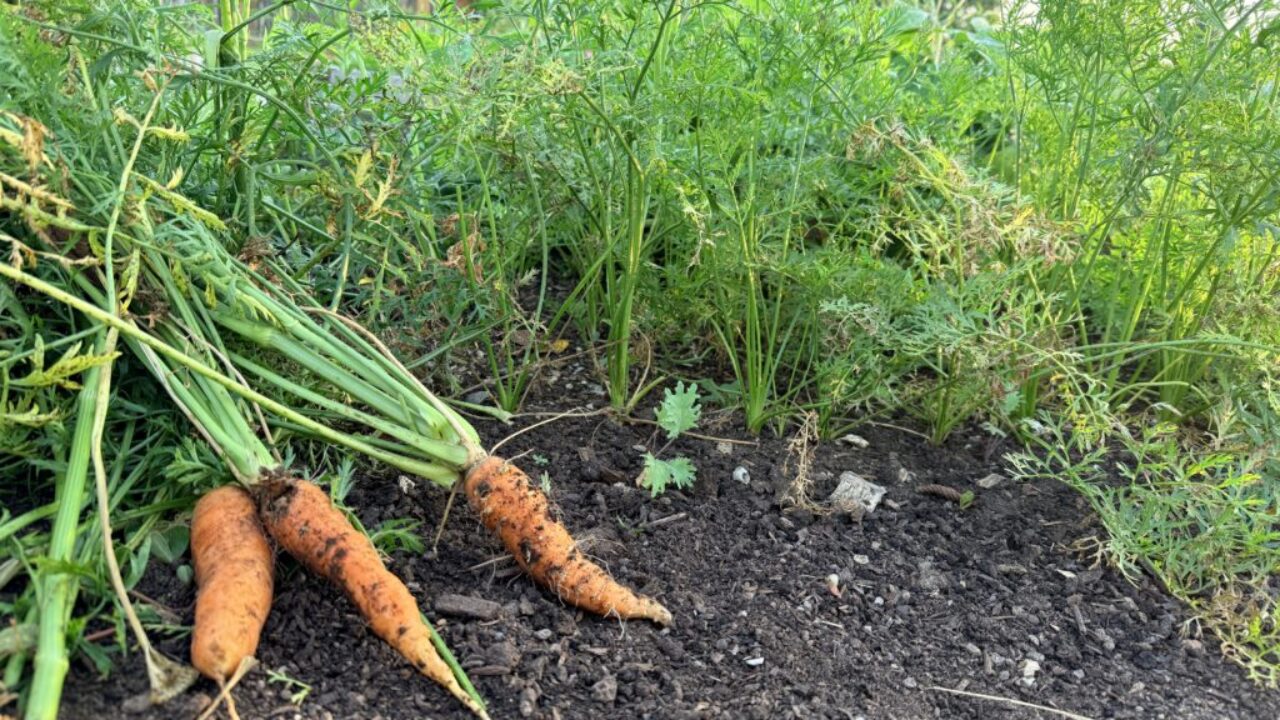
Carrots are inexpensive and easy for me to buy too, but I’m absolutely going to keep growing them. They’re easy for me, I can leave them in the garden for quite a while, and honestly, I just really like harvesting carrots.
Then there are my cherry tomatoes. I grow specific varieties because they taste incredible. I used to sell them at the farmers’ market and people would tell me they tasted like candy. I can’t just walk into a grocery store and buy tomatoes that taste like those.
There isn’t a formula for deciding what’s worth growing. Something doesn’t have to save you the most money or produce the most food per square foot to deserve a place in your garden. Maybe it tastes dramatically better fresh, it’s difficult to find locally, your kids love picking it, or you simply enjoy growing it.
“I love growing this” is a perfectly good reason. The important thing is knowing why you’re giving it space.
4. What didn’t go as planned, and why?
This question is especially important because it’s easy to overcorrect after a disappointing season.
I didn’t get as many tomatoes as I wanted this year. The obvious response would be to plant more tomato plants next year, but I don’t think the number of plants was actually the problem. We had a very late frost this spring. Some plants died, others survived but had to regrow, and I effectively lost part of my growing season.
Normally, roughly the same number of tomato plants gives me plenty. So I don’t think I had a bad plan. I think I had an unusual year.
Before you redesign part of your garden because something didn’t work, look at what actually caused the problem. Was it your timing, variety choice, spacing or maintenance? Or was it unusual weather, an unexpected pest problem or something else that may not happen again next year?
Sometimes the lesson is that you need to do something differently. Sometimes the lesson is simply not to overreact to one strange gardening season.
5. What would you change about the garden itself?
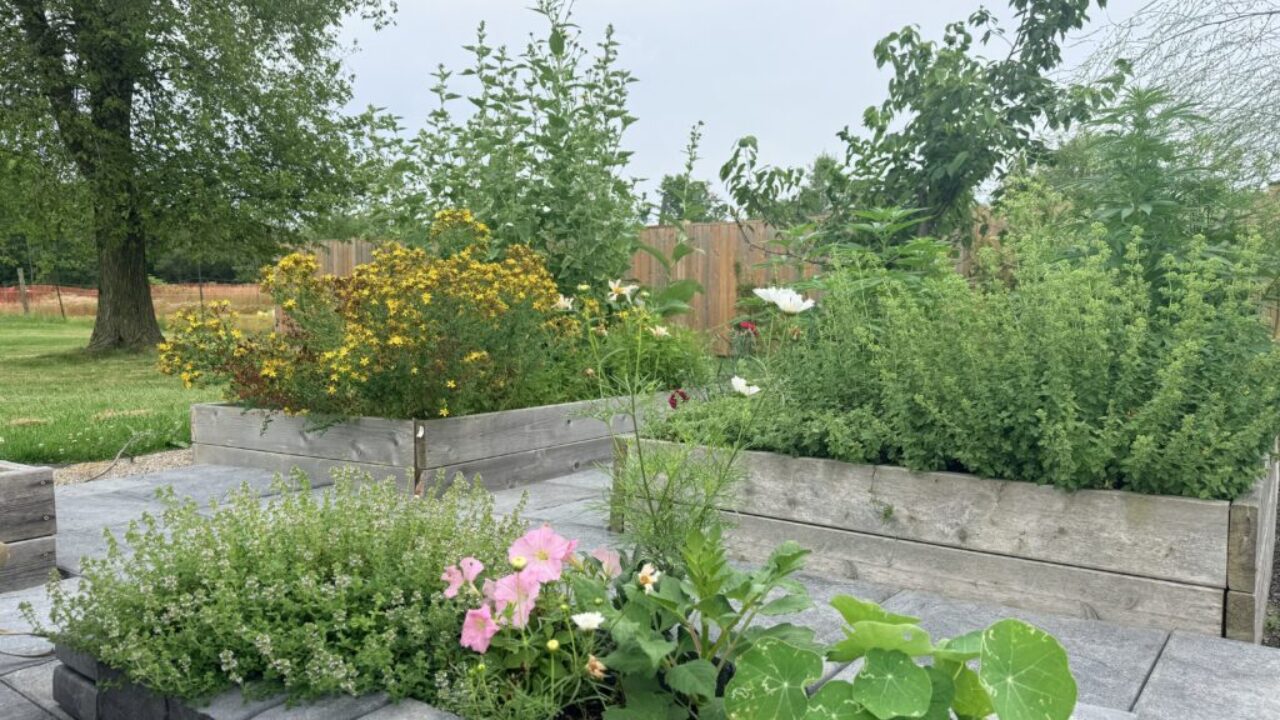
The final question has less to do with what you’re growing and more to do with the space you’re growing it in. Walk around and notice where the sun actually falls, where weeds were particularly annoying, which pathways worked well, where water collected, what was difficult to reach and what made gardening easier.
I have a few rows near my covered patio that become shaded much earlier than the rest of my garden. Standing outside right now, that’s incredibly obvious. When I’m planning my garden in February, though, I’m probably not going to remember exactly where that shade landed. Taking a photo now means I can use that information next year and perhaps put lettuce or another crop that appreciates some afternoon protection in that area instead of constantly fighting the conditions.
I’m also paying attention to things that worked. I’ve started adding bark to some of my pathways, and it has been some of the best weed control I’ve had. I’ll need to refresh it periodically, but I’d much rather spend some time on one larger job in the spring than constantly weed pathways all summer. That’s something I want to continue next year.
Don’t use this question only to find problems. Look for anything that made your garden easier, more productive or more enjoyable and make a note to do more of it.
Write It Down Before You Forget
Once you’ve answered these questions, you don’t need to turn this into a full garden-planning session. I’m certainly not deciding where every tomato plant will go next year while I’m standing in my September garden.
I’m simply recording the things I want to remember: thin and net the strawberries, don’t add more fruit yet, keep about the same number of tomatoes, grow fewer onions, keep the carrots and favourite cherry tomatoes, try lettuce in the shaded rows and finish adding bark to the pathways.
Put your observations somewhere you’ll actually find them when you start planning again. That might be your garden journal, a note on your phone or the app you use to manage your garden. The important part is that next year’s garden doesn’t have to start entirely from memory.
Take These 5 Questions Into Your Garden
I’ve put these five questions into a free End-of-Season Garden Review, along with a simple checklist of things to do before the season ends and a place to record what you want to remember for next year.
You don’t need to plan next year’s garden today. Take the review outside, spend ten minutes walking through your garden and capture what you’re noticing while the evidence is still right in front of you.
[DOWNLOAD THE FREE END-OF-SEASON GARDEN REVIEW]
When you are ready to start planning next year’s garden, use these notes as your starting point rather than beginning with a blank page.
Because a better garden next year doesn’t necessarily mean a bigger garden, more plants or an entirely new plan. It’s about paying attention to what worked for you this year, what didn’t, and making the next garden a little better suited to the way you actually want to garden.