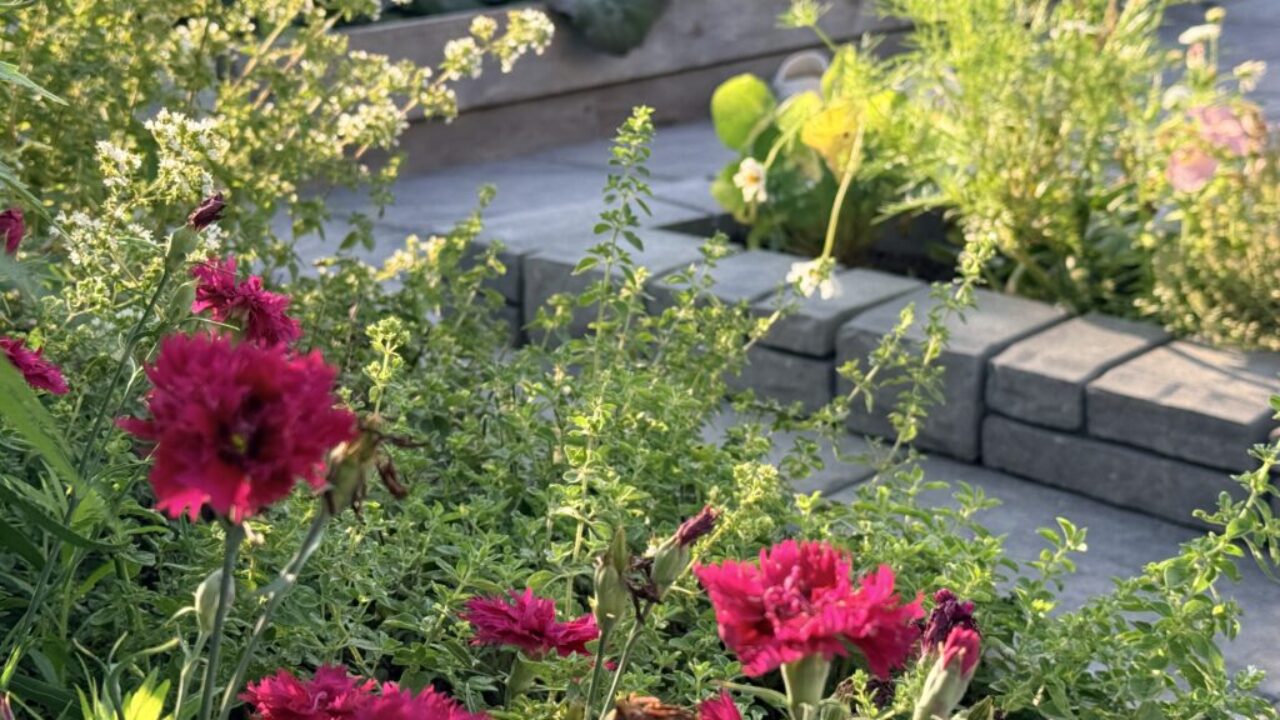
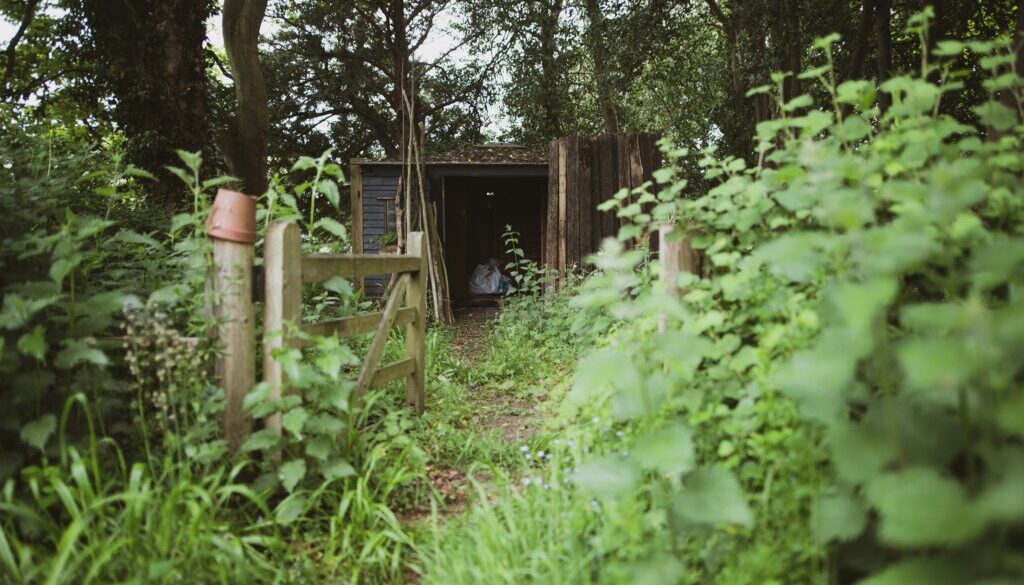
One of the biggest mistakes people make when they move into a home with an established perennial garden is tearing everything out before they understand what’s already growing there.
I hear this all the time. You walk outside in early spring, things are coming up everywhere, some plants look healthy, others look half dead, and you’re standing there wondering: do I cut this back? Is this a weed? Should I just rip everything out and start fresh?
The good news is: You don’t need to start over.
You don’t need to tear everything out or redesign it all at once. In fact, starting over is often the worst thing you can do.
You just need to learn how to read what’s already there.
I made a whole video walking through this — watch it first if you prefer to learn that way, then use this post as your reference.
Step 1: Observe before you change anything
I know this sounds strange, but the very first thing I recommend when you inherit an established perennial garden is — don’t do too much.
Perennial gardens reveal themselves over time. Some plants emerge early in spring. Some don’t appear until much later in the season. Some flower for just two weeks and then disappear entirely. If you rush to clear everything out in April, you can accidentally remove really beautiful or valuable plants without ever knowing they were there.
It’s tempting to jump in right away—pull weeds, trim things back, clear space.
But the most valuable thing you can do at the beginning is… nothing.
Just watch.
Give the garden a few weeks (or ideally a full season if you can) and just watch. Walk through the garden regularly and notice:
- What comes up on its own
- Where are things spreading
- Which areas get the most sun
- What areas feel chaotic vs what feels intentional
- What grows quickly vs. slowly
- What flowers, and when
A garden reveals itself over time.
And if you rush to change it, you might remove something valuable without even realizing it.
Step 2: Start noticing patterns and identify what you already have
You don’t have to know the name of every single thing growing in your garden. That pressure is part of what makes this feel so overwhelming.
Instead, start noticing patterns. Which plants come back on their own every year? Which ones spread aggressively? Which ones flower? Which ones seem completely unfazed no matter what you do — or don’t do? Those are often your strongest perennials, and they’re usually worth keeping.
I also recommend taking photos as things grow and keeping simple notes — even just “purple flowers near the fence in June” is enough to start building your understanding of the garden over time.
A simple way to keep track
As you walk through your garden, choose a few plants to focus on.
For each one:
- Take a quick photo
- Make a short note (in your phone or a notebook)
- Write down anything you notice:
- where it’s growing
- what it looks like (and do you like it?)
- whether it seems to come back each year
If you’re curious, you can look it up —but you don’t need to figure everything out right now.
Over time, these small notes become something incredibly helpful: a clear picture of what’s already growing in your garden.

Step 3: Focus on simple care first
Most established perennial gardens need far less care than people expect. In fact, doing too much too quickly can cause problems. Mature plants have deep root systems. They’ve been figuring out that spot in your yard for years. You usually don’t need to aggressively fertilize or water them through the season.
What you can start with:
- Removing clearly dead or damaged growth
- Tidying areas that feel overgrown
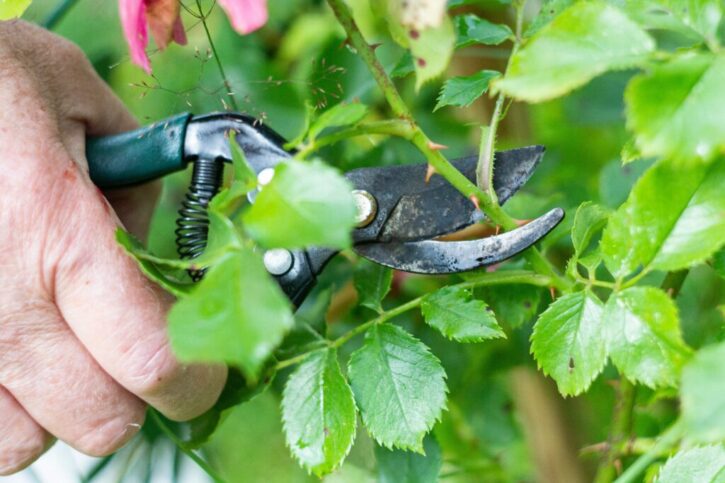
- Light pruning on things that have finished flowering
- Pulling obvious weeds from around the base of plants
- Watering during dry stretches, especially if plants are newly divided or moved
That’s genuinely enough to start. Most established gardens don’t need as much intervention as you think.
Many perennial plants are designed to survive—and even thrive—with minimal care. What matters more is timing, not effort.
Step 4: Learn the seasonal rhythm of the garden
This is the piece that changes everything once it clicks. Perennial gardens operate in cycles. Some plants wake up early in the spring. Others take their time. Some flower in early summer. Others don’t show up until fall. Some plants should be cut back hard after flowering. Some can be left standing through winter for wildlife and structure. Some spread naturally and reseed themselves every year, which can look like a problem until you realize it’s actually just the garden doing what it wants to do.
Once you start learning those seasonal rhythms, the whole garden becomes much less intimidating.
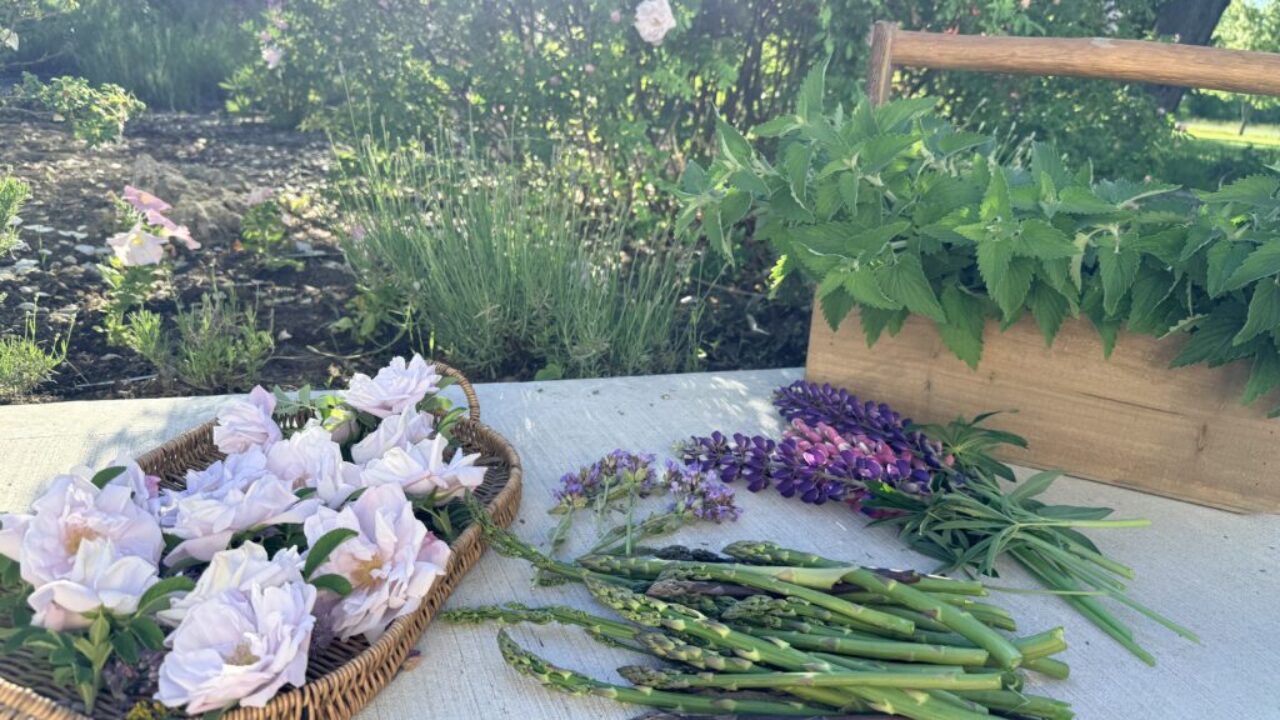
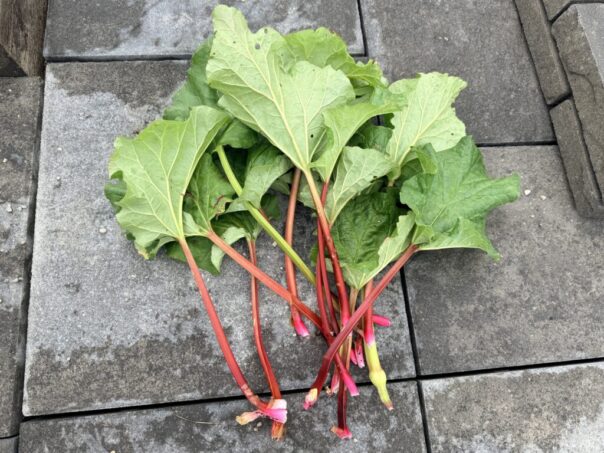
Harvest and care are based on the season.
This is why established gardens can feel confusing at first. You’re stepping into something that’s already mid-cycle.
But once you start to notice the patterns — when things grow, bloom, rest, and return — it becomes much easier to know what to do, and when.
If you want help finding some common easy-care perennials — the ones that truly do look after themselves — I have a whole separate guide on my favourite easy-to-grow perennial plants that’s worth reading alongside this one.
Step 5: Start small — you don’t need to manage everything at once
I think a lot of people feel like they need to master their entire garden immediately. But honestly? Start with just a few plants. Learn those well. Slowly build from there. A garden that’s been growing for ten years doesn’t need to be understood in a single season.
Choose a few plants to focus on and learn how those behave. Confidence builds quickly when your focus is small.
A gentle shift in perspective
Taking over an established garden isn’t about control. It’s about understanding. You’re not starting from nothing — you’re continuing something that already exists.
And that’s actually an advantage.
Because once you begin to see how the garden moves through the seasons, you don’t have to guess anymore and you’ll learn to work with nature.
When you’re ready for a little more clarity
One of the hardest parts of caring for an established garden is knowing:
What actually needs your attention right now—and what doesn’t.
Some plants need pruning.
Others need harvesting.
Others are best left completely alone.
And it’s not always obvious just by looking.
If you want a clearer way to understand what’s already growing in your garden—and what to do with it—this is exactly why I built a perennial care feature in Embrace.
Inside Embrace, you can:
- add the plants already in your garden
- see what they need based on your climate
- and follow a simple, seasonal rhythm so you always know what matters right now
Final note
You don’t need to figure everything out all at once.
The garden already knows what it’s doing.
You’re just learning how to listen.