Short answer: probably not. The number that tells you for sure isn’t your growing zone — it’s your first frost date. Find yours, then check the table, and you’ll know exactly what’s still worth planting in the next five minutes.
How much time do you have?
Find your first fall frost date, then count how many weeks you have left. Here’s a quick idea of what may still have time to grow.
4–6 weeks until frost
Try fast-growing crops like radishes, spinach and baby greens.
7–10 weeks until frost
You may also have time for lettuce, beets and kale.
11+ weeks until frost
Your options open up even more, including crops like
carrots, broccoli and cauliflower.
Keep in mind that cool weather and shorter days can slow growth, so days-to-maturity is only part of the calculation. I’ll show you how to figure out your actual planting window below.
The number most gardeners use to decide whether they can still plant for fall isn’t actually the most useful one. Most gardeners look at their growing zone, but that number tells you roughly how cold your winters get, which is useful for choosing perennials, but not very useful for deciding whether you can plant spinach in August. The number that actually matters is your first frost date.
Here’s how to use it.
Prefer to watch? Here’s the full explanation, or scroll down to keep reading
Skip the Zone, Find Your First Frost Date
Your growing zone is built for one purpose: telling you whether a perennial will survive winter where you live. That’s it. It has nothing to do with your fall planting window.
Two gardeners can share a zone and still have first frost dates weeks apart. Take zone 8: in Lordsburg, New Mexico, first frost lands around mid-October. In Seattle, it’s not until mid-November. Same zone, a full month apart in growing time.
If you don’t already know your first frost date, search “[your city] first frost date.” Thirty seconds, and it changes how you plan the rest of your season.
The Formula for Your Last Planting Date
Once you have your frost date, the math is simple:
First frost date − days to maturity − 1 to 2 week buffer = your last ideal fall planting date
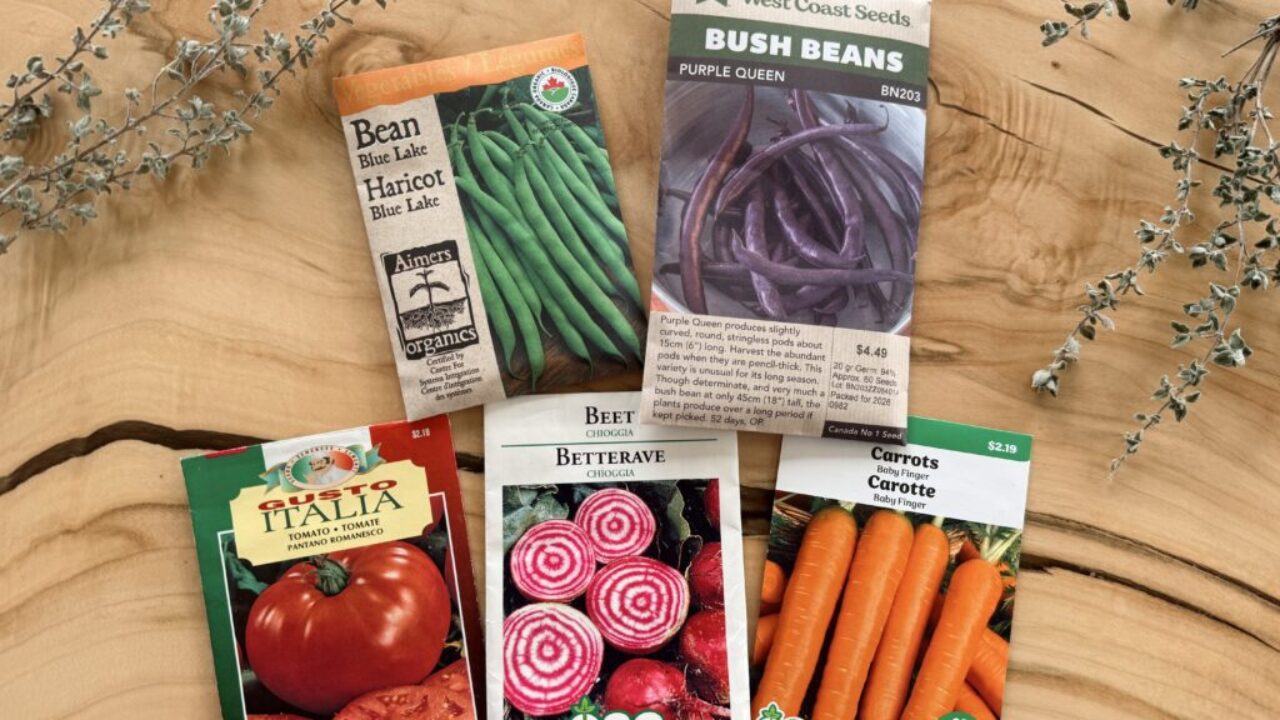
Every crop has a days-to-maturity number, usually right on the seed packet. Count back from your frost date, then build in a buffer, because growth slows as temperatures drop.
Example: spinach takes about 40 days to mature. If your first frost is October 15, count back 40 days to roughly September 5, then subtract another week or so for the buffer. That means you’d want it in the ground by the start of September.
Quick shortcut: Count how many days you have until your first frost, subtract 5–14 days for slower fall growth, and look for crops with a days-to-maturity number below what’s left.
What to Plant, Based on Your Frost Date
Here’s how that plays out depending on when your frost typically arrives.
Want to get more specific?
The quick guide above gives you a starting point, but different crops need very different amounts of time. Here’s a closer look at what may still fit into your fall planting window.
One important caveat: days to maturity varies by variety. A 55-day beet and an 80-day beet don’t have the same fall planting window, so always check the seed packet you’re actually planting.
Want to skip the math? Embrace uses your location to show you what’s still worth planting now.
See my planting window →
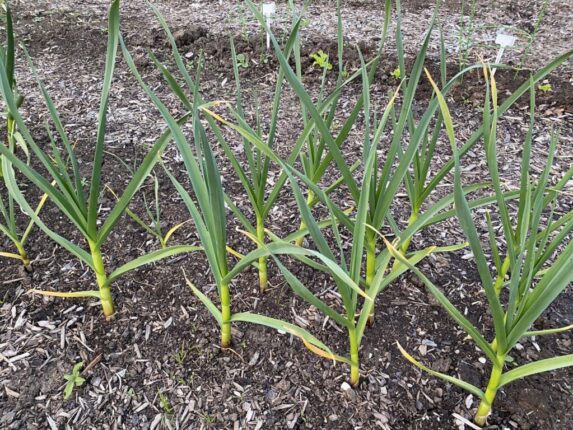
The One Thing Every Gardener Should Plant This Fall, Regardless of Zone: Garlic
Garlic doesn’t follow the frost-date math above, because you’re not growing it for a fall harvest — you’re planting now for a harvest next summer.
Garlic needs a cold period to develop properly. You plant the cloves in fall, they establish roots before the ground freezes, sit through winter, and push up in spring. This is also the one place where your zone does matter — just for variety, not timing:
-
Colder winters: Hardneck varieties are usually a great choice and produce garlic scapes.
-
Milder winters: Softneck varieties are generally better adapted to warmer climates and store exceptionally well.
-
Somewhere in between: You may be able to grow either, so choose based on your climate and what you want from your garlic.
Planting basics: break the bulb into cloves, then plant pointed end up, about 2 inches deep and 6 inches apart, and mulch well going into winter. Tip: plant more than you think you need — nobody ever regrets extra garlic.
The Easy Way to Know What’s Still Worth Starting
Everything above is math you can absolutely do yourself, crop by crop. But I’ll be honest — I built Embrace for kitchen gardeners, so we don’t have to do that math every time.
Pull up any crop in Embrace and it tells you, based on your location, whether there’s still time to get it in the ground this season. It’s the tool I actually use for succession planting, especially now in fall when the window gets tight and I don’t want to waste seeds or space on something that won’t make it.
Whatever your first frost date turns out to be, there’s almost always more time left in the season than you think — and Embrace can tell you exactly how much.
Keep Growing
What should you grow next?
Fall doesn’t have to mean the end of the garden. Here are three ways to keep growing now and make the most of the seasons ahead.