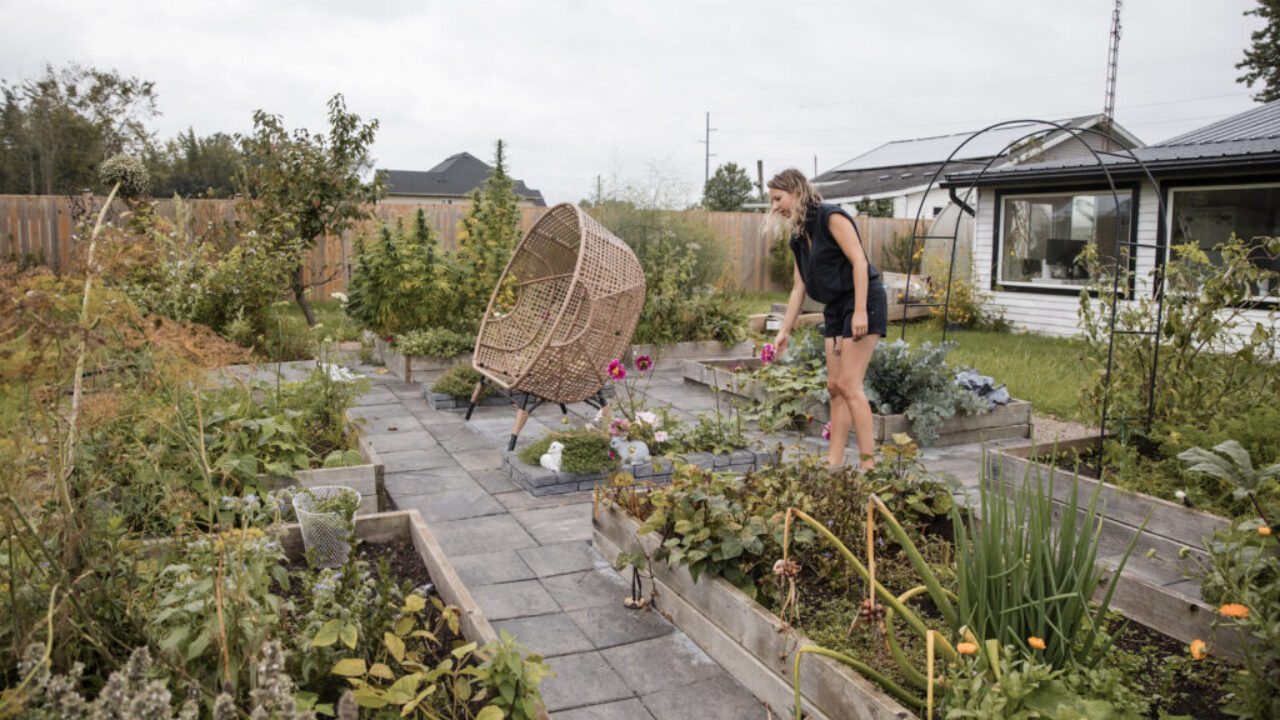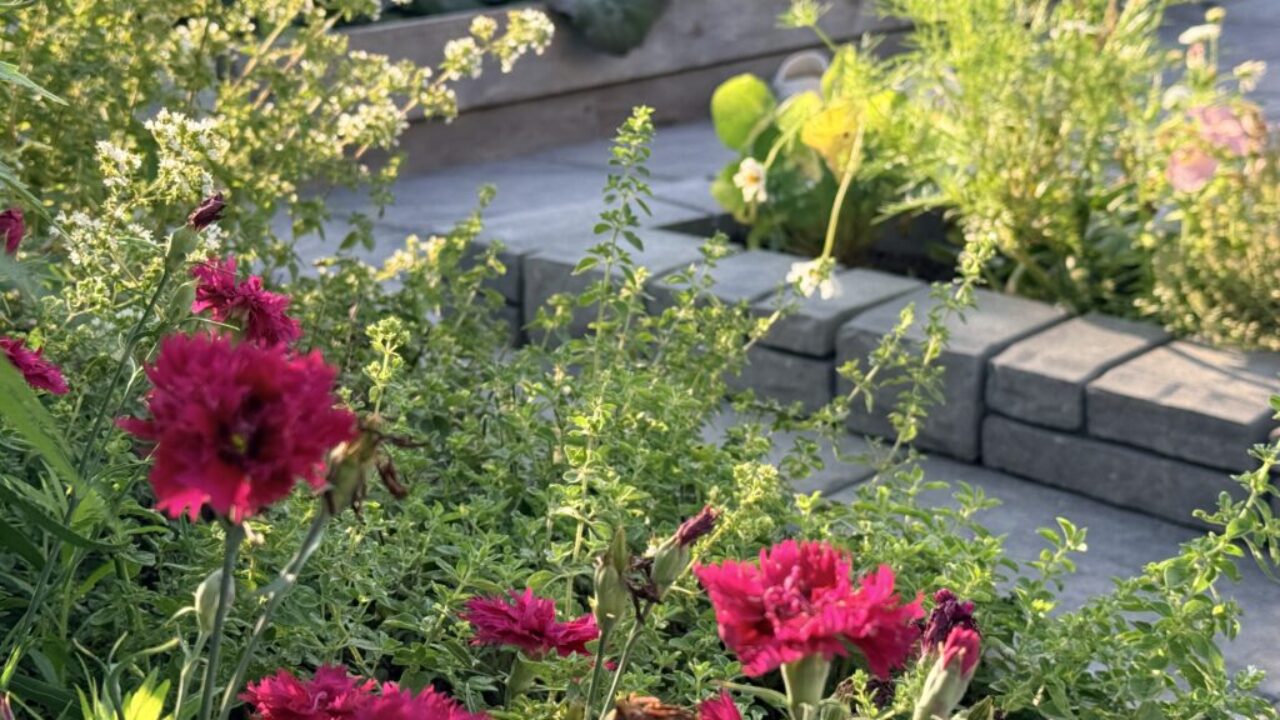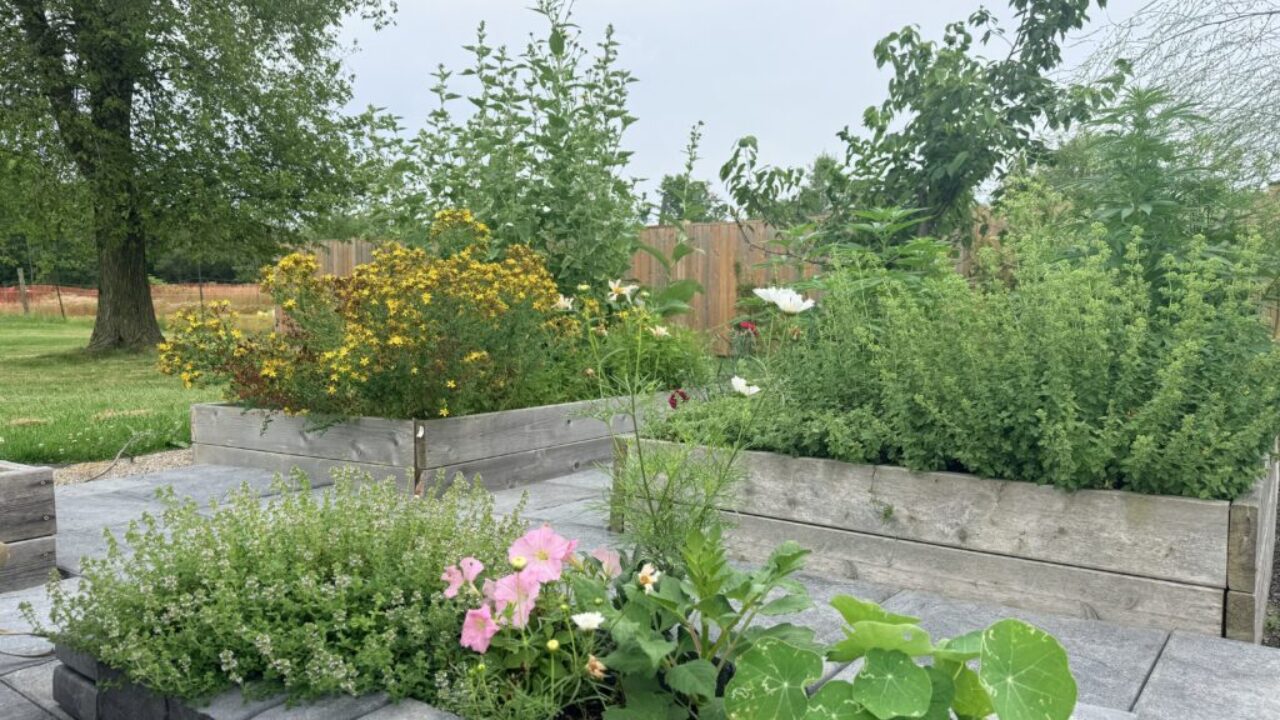
If you want plants that come back year after year without needing constant attention — this is your starting list.
One of the nicest things about perennial plants is that once they’re established, they often become some of the easiest plants in your entire garden. You plant them once, and many of them come back for years with very little effort from you. Over time, they become the backbone of a lower-maintenance, more resilient garden.
What makes a plant easy and low-maintenance to me isn’t that it requires zero care — it’s that it can handle neglect. It doesn’t need constant watering, it can hold its own against weeds, and it won’t shrivel up the moment you forget about it for a week. Every plant on this list has survived neglect from me at some point — they all do better with attention, but they’re forgiving if you travel, get busy, or just want a wider variety of plants in your garden without a ton of effort.
One more thing before we get into the list: every plant here is perennial in at least some climates, but not necessarily all of them. Before you plant anything, it’s worth checking your hardiness zone to confirm it’ll actually come back year after year where you live — what’s a reliable perennial for me might be an annual somewhere else (for reference, I’m in Zone 6B).
Want to see how I actually grow each of these? Check out the video below. Otherwise, keep scrolling for the full breakdown of each plant.
And if you’ve recently inherited a garden full of established perennials and aren’t sure where to start, I’d recommend reading How to Take Over an Established Perennial Garden first — it’ll help you approach what you already have with a lot less stress.
Easy Perennial Herbs
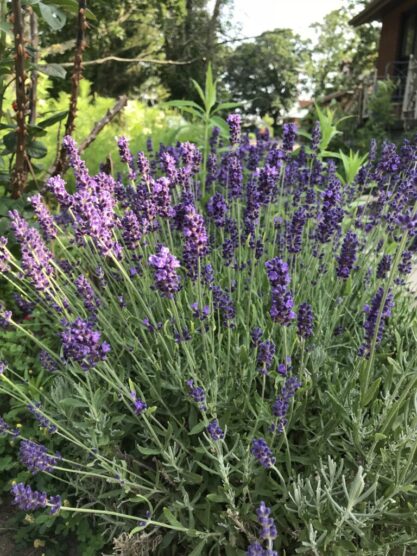
Lavender
Lavender is one of my favourite perennial herbs because once it’s established, it’s remarkably drought-tolerant and genuinely low maintenance. You can grow it purely as an ornamental flower if you want — it’s beautiful even left alone — or put it to work in crafts, teas, and baking. Prune it back after flowering to keep it from getting woody, and it’ll reward you for years.
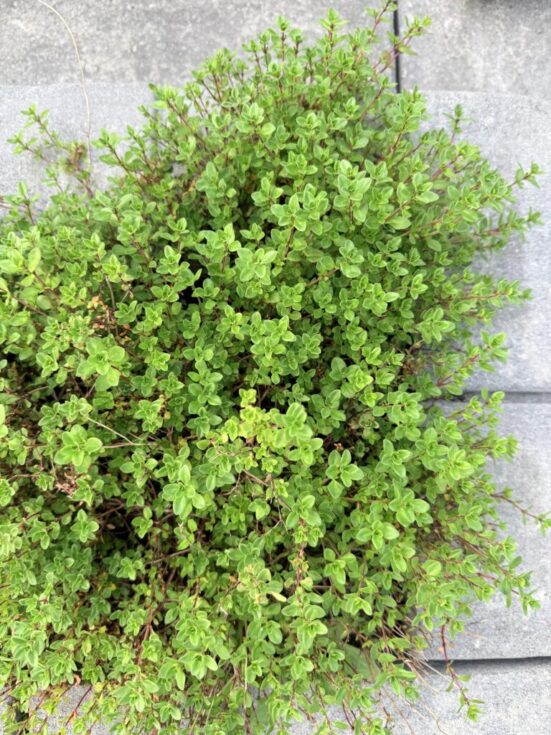
Thyme
Thyme might be the herb I think almost everyone should grow. It’s easy, attractive, and barely asks anything of you once it’s established. I use it both fresh and dried — though honestly, I dry most of mine, since it keeps me stocked for cooking all year. I also brew it into tea, especially when I have a cough; it’s one of my go-to herbs for soothing one.
Sage
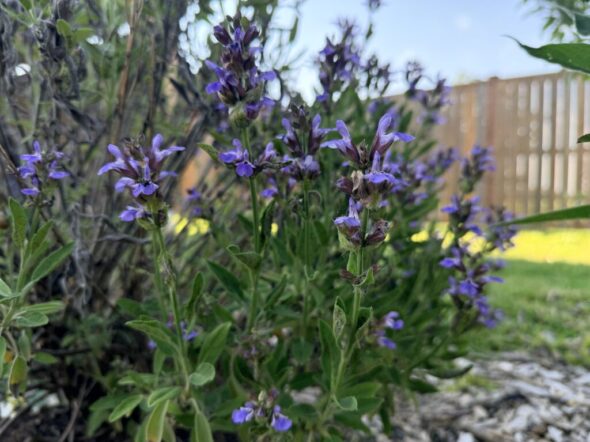
Sage wasn’t originally on my must-grow list — I planted it because I felt like I should, not because I had a clear use for it. But the longer I’ve grown it, the more uses I keep finding. It’s not necessarily the herb I’d recommend first, since the flavour is strong and you really only need a small plant to keep yourself supplied. It’s the classic Thanksgiving and Christmas herb, but it shows up in other dishes too — one of my favourites is stuffing sage and cheese into zucchini blossoms and frying them, which has become a yearly tradition once the blossoms appear. Sage is also my go-to when I have a sore throat.
Oregano
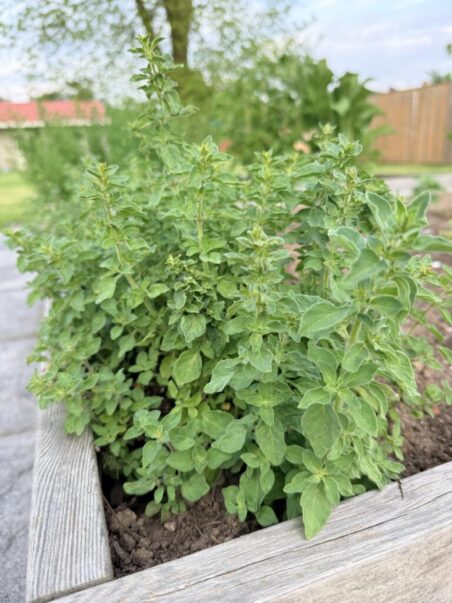
Oregano was another herb I grew before I really knew what I’d do with it — but it didn’t take long to figure out. It’s the obvious choice for pizza and pasta sauce, and honestly, it’s brilliant there. It’s also become one of my go-to herbs when I’m feeling sick; I make a garlic and vinegar dipping oil with it that I reach for anytime illness hits. Like sage, it has a strong flavour, so a little plant goes a long way — but if you cook with tomato-based sauces at all, it’s a no-brainer to grow.
Chives
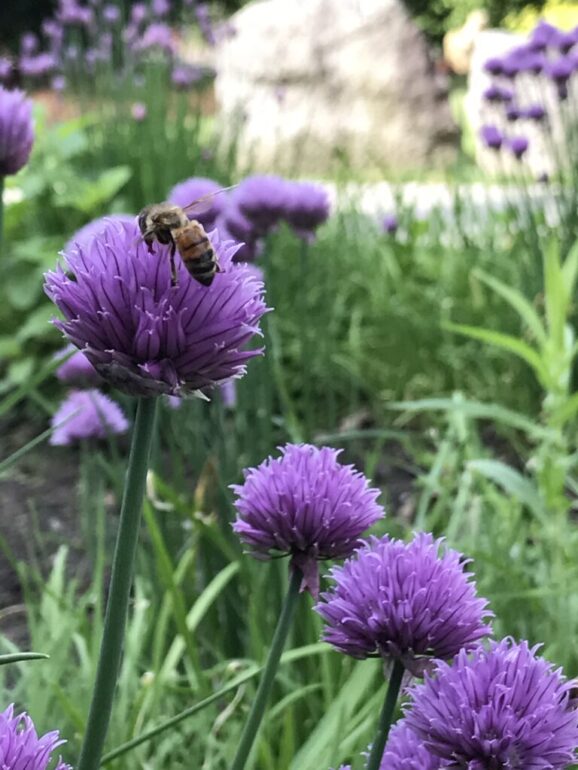
Chives are one of my favourites — they’re among the earliest plants you can harvest from the garden each year, and they’re incredibly versatile. The blossoms appear in early summer, and they’re edible too, which makes them fun as well as functional. Anywhere I’d normally use green onion, chives work just as well, adding a more delicate onion flavour to pasta, salads, eggs, or pretty much anything. (I do use perennial walking onions more often when I specifically want that green onion flavour — more on those below.)
Catnip
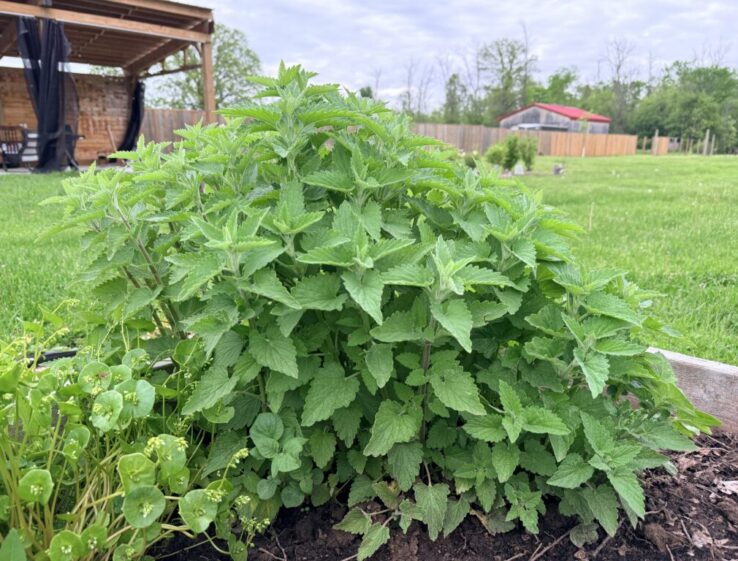
Catnip almost didn’t make this list since it’s not the most common garden plant, but it earns its spot. It’s part of the mint family, so yes, it spreads — but not aggressively enough to be a problem. Like most spreading herbs, the easiest way to keep it in check is to cut the flowers back before they go to seed; that alone keeps it well-behaved in the garden. I love adding catnip to teas.
Garlic Chives
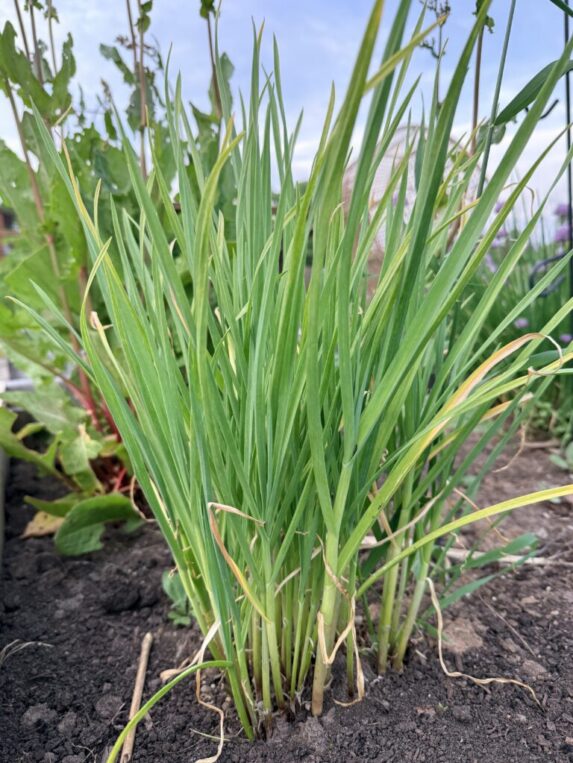
Garlic chives wouldn’t be the first plant I’d point you toward, but that’s no reason to leave them off an easy-to-grow list — they’re genuinely simple to maintain and don’t spread quite as aggressively as regular chives. They’re not as commonly called for in recipes, but they bring a mild, lasting garlic flavour that’s worth having on hand. If you find raw garlic too strong, don’t grow it yourself, or just want that garlic note over a longer stretch of the season, garlic chives are a nice addition.
Lemon Balm
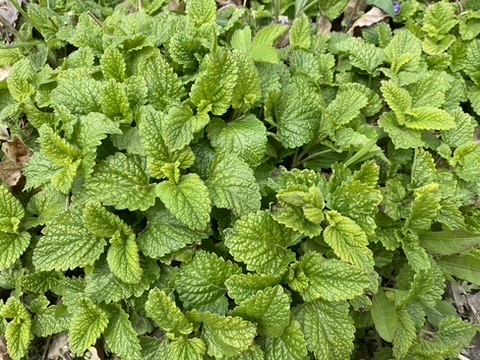
Of everything on this list, lemon balm is probably the most prone to spreading — though that’s manageable if you cut the flowers back once or twice a summer before they go to seed. If you’re not willing to do that small bit of maintenance, you may end up with more lemon balm than you bargained for, so it’s worth knowing that going in. That said, it smells wonderful, and it’s one of my favourite herbs for nervous-system support in tea, especially blended with chamomile and marshmallow, which I’ll get to further down.
Marshmallow
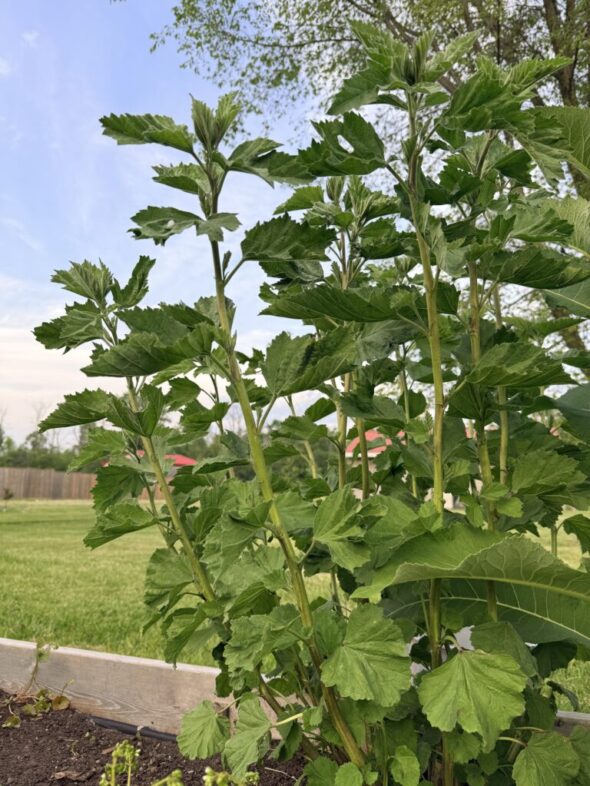
Marshmallow is probably the least common plant on this list, and honestly, it’s not one I’d have grown if I hadn’t gotten into herbalism. I chose it specifically because it’s well-contained in the garden and it’s a genuinely useful herb for a lot of people. I use the root most often, though the leaves and flowers work well for a simple infusion too. It’s known for being moistening and soothing, which makes it a nice option if you tend to run dry or want something gentle on the gut. I don’t cook with it — it’s strictly an herbal remedy plant for me — but it’s earned a permanent spot in my garden.
Easy Perennial Flowers
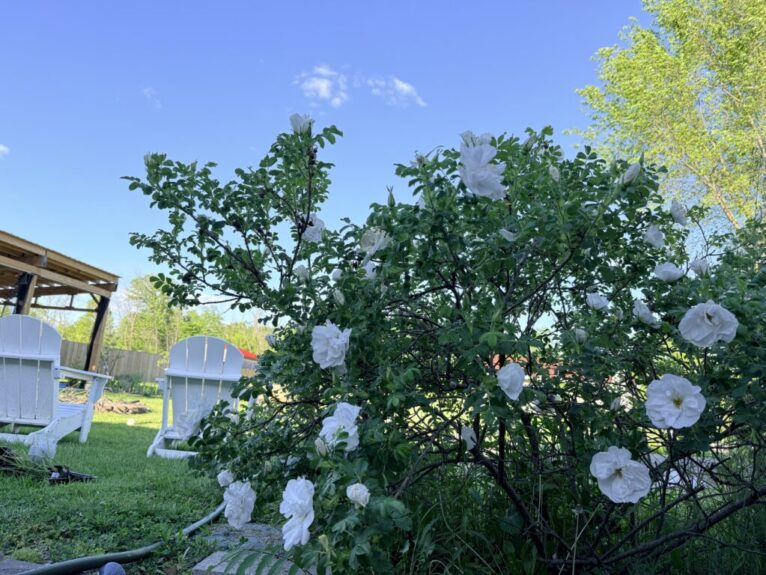
Wild roses (Rugosa rose)
When I say wild roses, I’m not talking about delicate tea roses — those are prone to disease and nowhere near as productive. I mean the tough, scrappy roses you see growing untouched in parking lot medians and along highways. If a rose can survive complete neglect in a parking lot, it’ll thrive in your garden. Beyond being beautiful, rugosa roses are wonderfully useful: the petals are edible and show up in more dishes than you’d expect, the hips are packed with vitamin C come fall, and they work well in skincare or even a flower bath. And if you’re ever unsure what to do with a harvest, just dry it — that’s true for nearly everything on this list, and you’ll find a use for it later.
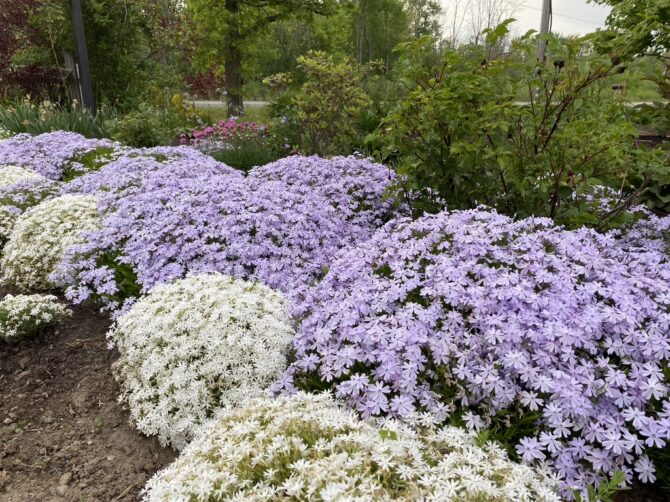
Creeping Phlox
Creeping phlox is one of my favourite ground covers — every spring, my driveway gets lined with showy purple and white flowers, and it’s genuinely stunning. I can spot other people’s creeping phlox from the road now; it’s that distinctive. The rest of the year it’s just a plain green mat, nothing special to look at, but it earns its place for those few spring weeks alone. It does need a bit of occasional weeding, since weeds can creep up through the middle of the plant if you ignore it too long — but otherwise, it’s about as low-effort as a flower gets.
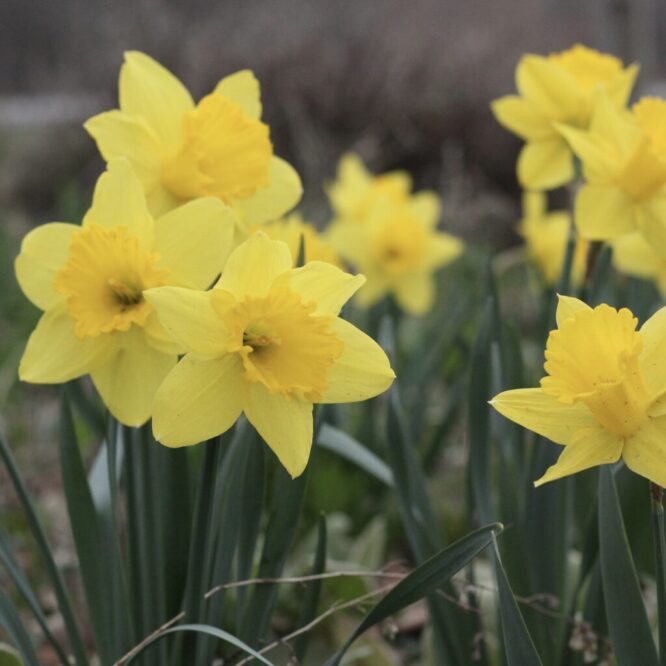
Daffodils
Daffodils are another easy spring flower worth having. They spread over time, so you’ll get more daffodils each year, but never so aggressively that they become unmanageable. They make a lovely cut flower for spring arrangements, and in my opinion, they’re a lot easier to grow successfully than tulips.
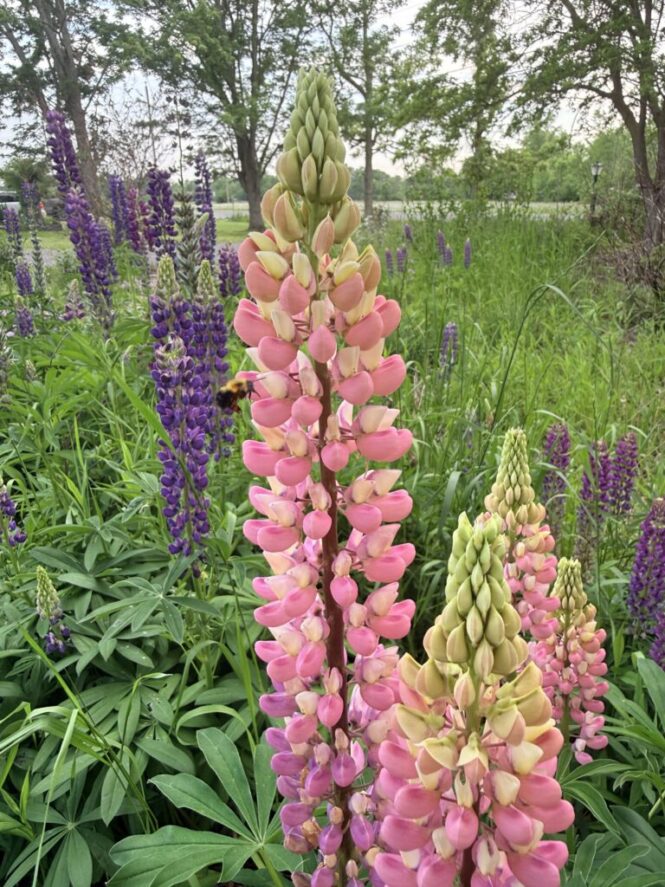
Lupins
Lupins are another plant I associate with highway roadsides — if it’s thriving completely untended on the side of a highway, you know it’s going to be easy in a garden. The one thing to watch for is that they spread fairly readily through self-seeding, and cutting the flowers back after blooming will help keep that in check if you want fewer volunteers each year. The upside is that lupins are incredibly easy to identify — that distinctive star-shaped leaf doesn’t look like anything else, so you’ll never second-guess whether a seedling is a weed or a lupin the way you might with other plants. And the flower itself makes a beautiful cut bloom.
Chamomile
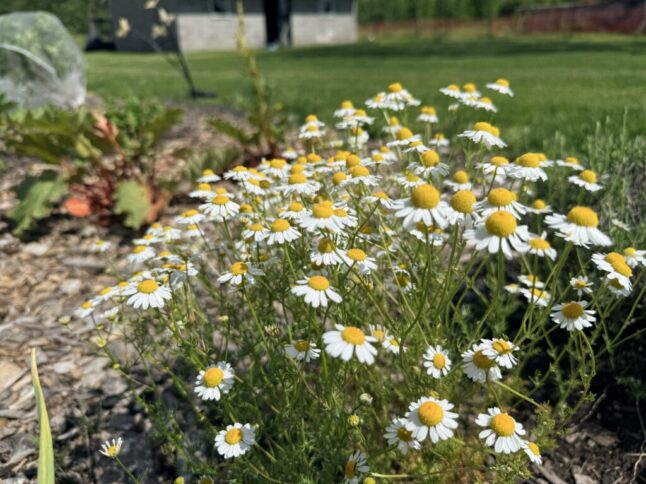
While not technically a perennial, it acts like one. Chamomile is a gentle, cheerful plant that’s easy to grow and lovely for tea. It behaves almost like a perennial in many gardens because it self-seeds so easily — once you plant it, it tends to find its own way back every year. It has medicinal uses, attracts pollinators, and produces edible petals. Perfect for a cup of calm.
Easy Perennial vegetables
Asparagus
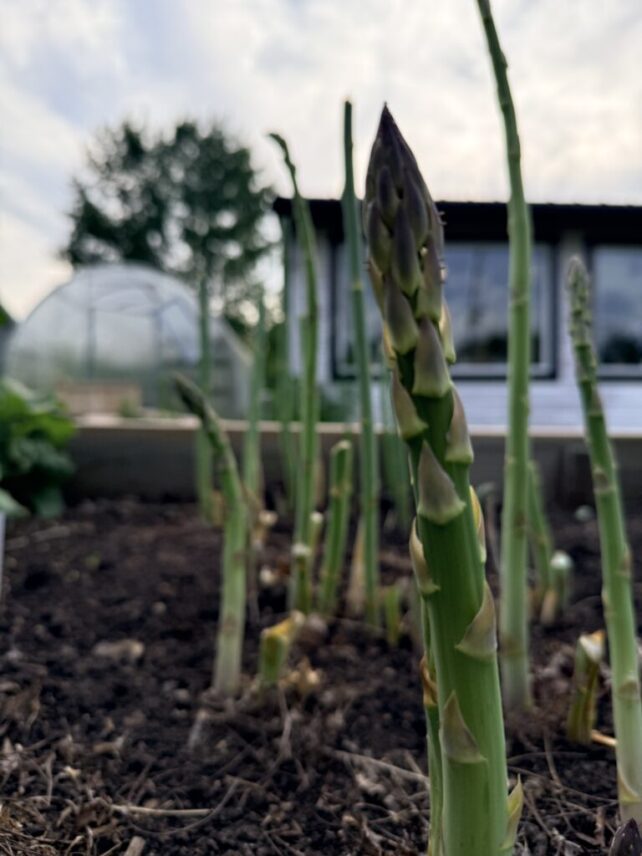
There’s something remarkable about a vegetable this good for you coming back on its own every single year. Perennial vegetables are rarer than perennial herbs, flowers, or fruit, so when I find one I love, I really love it — and asparagus is a favourite. It’s also one of the only substantial harvests available early in the season, when not much else is ready. Add in the fact that it’s expensive at the grocery store but genuinely easy to grow at home, and it’s hard to pass up. The one thing to plan for is the fronds — they get tall and will flop everywhere if left unsupported, so I use trellises around mine, though stakes and string work just as well.
Egyptian Walking onions
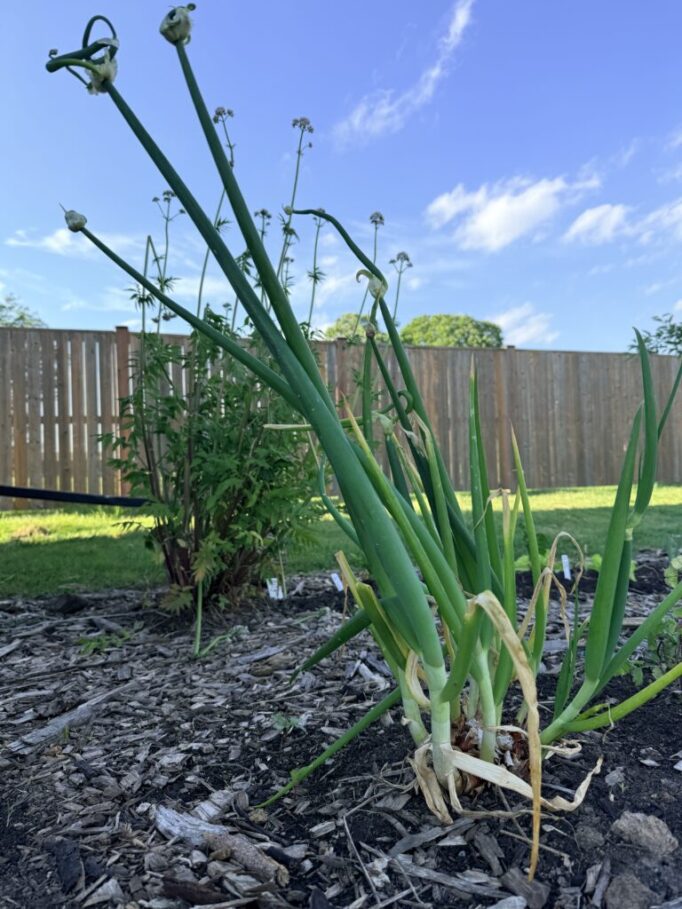
These have completely replaced green onions in my garden — I don’t even bother growing the annual kind anymore. Egyptian walking onions are genuinely fun to watch too: they form small bulbs at the top of the stalk, which eventually get heavy enough to topple over, root where they land, and “walk” their way across the garden over time. I actually started my patch from a piece I dug up at my previous house, where the former owner had them growing — and now I’ll bring a piece with me wherever I move. The bulbs themselves stay fairly small, closer to green onion size than a full onion, so don’t expect a big harvest of large bulbs. I use the thinner greens just like green onion, and the rest goes into soups, stocks, and broths whenever I want that onion flavour without needing anything from the store.
Sorrel
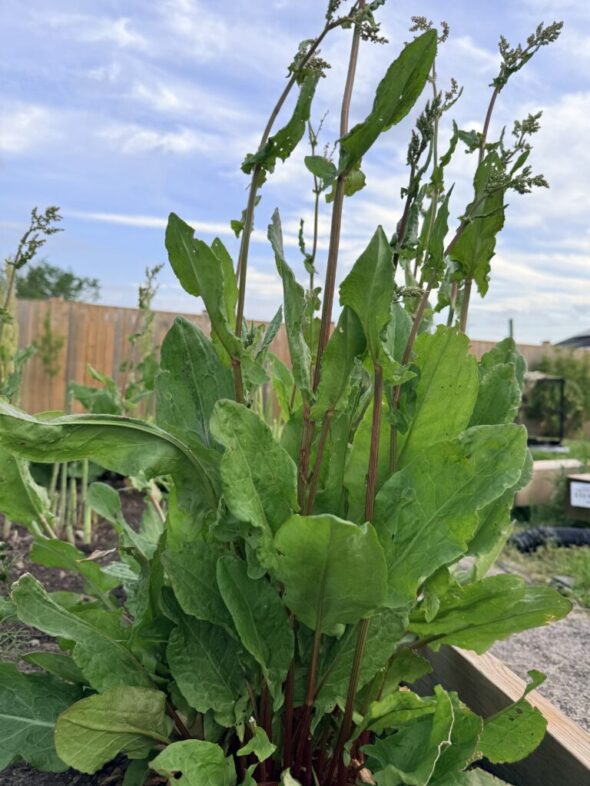
I’ve filed sorrel under vegetables, though plenty of people consider it more of an herb — it really straddles both. Some people eat it as a salad green on its own, but I find it a bit too sharp for that; instead, I like adding individual pieces into salads for that bright, lemony pop. My favourite use is a sorrel and potato soup, which is genuinely excellent. It’s not something I reach for constantly since I have so many other annual greens in rotation, but there’s really nothing else that gives that same lemony flavour while staying soft and tender enough to eat. The younger leaves are the most tender, and like several other plants on this list, keeping the flowers cut back will help prevent it from spreading and keep the greens from toughening up too quickly.
Easy Perennial Fruit
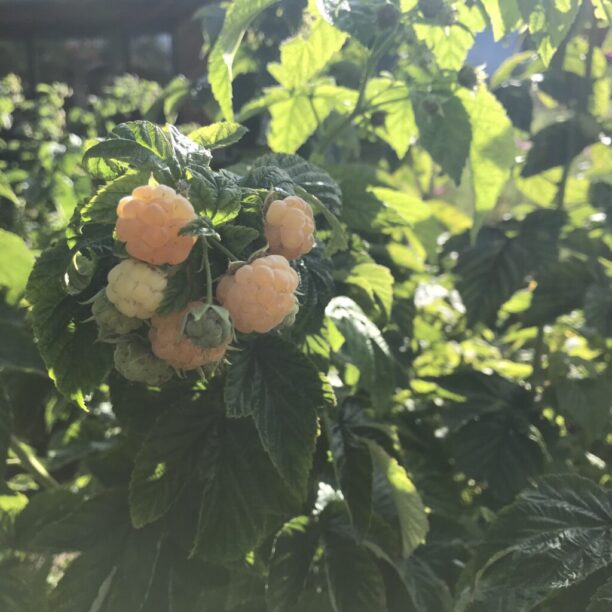
Raspberries
Raspberries are easy-ish — genuinely low maintenance once established, and they don’t ask much from you. The one thing that might keep them from being effortless is that you really do need some kind of trellis or support system, or they’ll sprawl across the ground and get messy fast. The main thing to learn is when and how to prune the different canes — once that clicks, they’re very low effort. Beyond that, growing your own raspberries is just satisfying, and they’re more useful than people realize — you can eat the fruit, of course, but the leaves make a really good tea too.
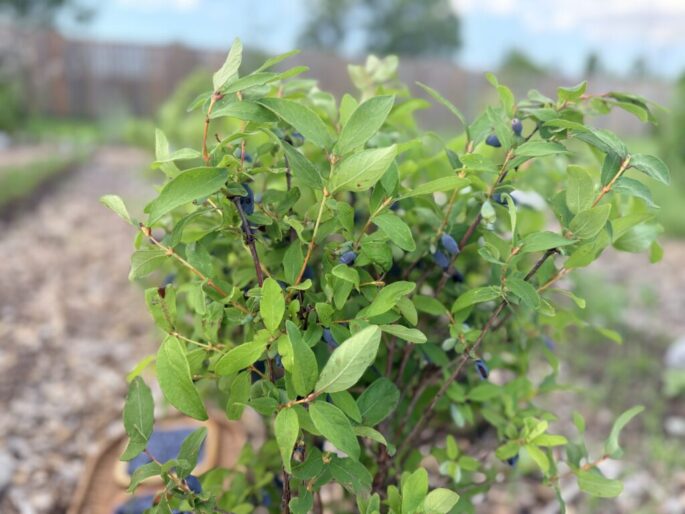
Haskaps
Haskaps have become one of my favourites because they fill a gap blueberries can’t — my soil is too alkaline for blueberries to grow here, but haskaps don’t have that problem. They’re also one of the very first berries I get to harvest each year, which makes them feel extra rewarding after a long winter. The main challenge with haskaps, and really with most fruit on this list, is the birds — they’ll get to the berries before you do if you’re not careful.
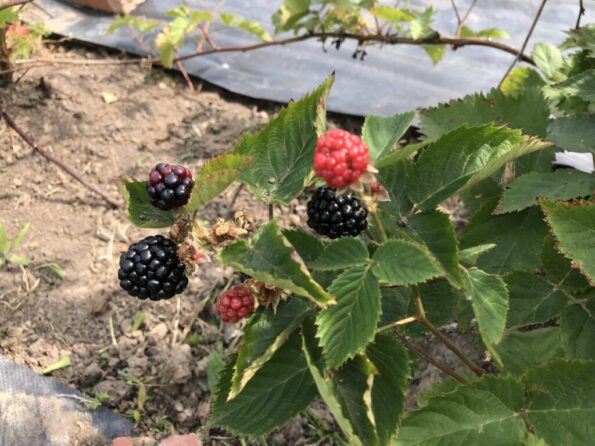
Blackberries
I haven’t neglected any plant more than my blackberries, and they’re still thriving anyway. I grow the thornless variety, which means they’re productive without leaving me scratched up every time I reach in to harvest — and they taste just as good as the prickly kind. If you’ve hesitated because of the thorns, know that thornless varieties exist and work great. Blackberries aren’t a fruit I think about often or plan around, but they’re so easy that as long as I have the space, I’ll always be growing them — and once you have that much fruit coming in, you’ll find plenty of ways to use it.
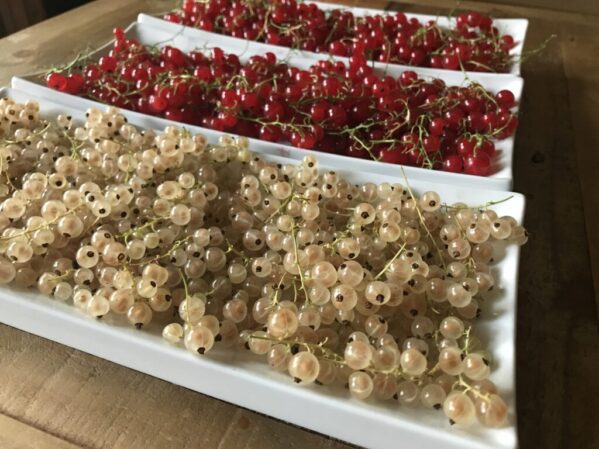
Currants
I grew up picking currants, so they have a bit of sentimental value for me beyond just being easy to grow. They’re not the most common fruit, but I really like black currants in particular — I infuse them in vodka to make a homemade cassis, and I’ll eat them fresh too. They also make a really good jam. If you’ve never tried currants before, it might be worth tasting them first to see if you like the flavour, since it’s distinct — but as a low-maintenance fruit, they’re hard to beat.
Rhubarb
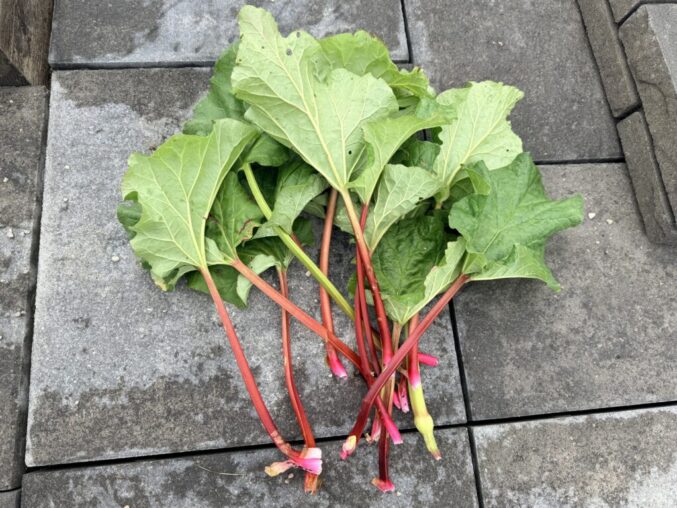
Technically rhubarb is a vegetable, but I treat it like a fruit — it shows up in all my sweet desserts and one of my favourite spring traditions: a rhubarb syrup I make every year using a method I use with a lot of fruit. Beyond eating it on its own, rhubarb is brilliant as a flavour booster for other ingredients — strawberry-rhubarb being the obvious classic pairing.
Building a garden that almost takes care of itself
Perennial plants are one of the easiest ways to build a lower-maintenance, more resilient garden over time. And once you start combining herbs, flowers, fruit, and perennial vegetables together, something shifts — the garden starts feeling like it has its own momentum. Less replanting each year. More harvesting and enjoying your garden. More watching things establish and spread.
The challenge is that each of these plants has its own rhythm. Prune lavender at the wrong time and it won’t flower. Should you leave asparagus fronds standing through fall or cut them back? Raspberries need different care depending on whether you’re dealing with first-year or second-year canes.
Perennial guidance in Embrace
Keeping track of all those individual plant rhythms is exactly what I’ve built into Embrace. You can log your perennials, and Embrace will remind you when it’s time to prune, harvest, divide, or just check on something — based on where you are in the season. So you can stop trying to hold it all in your head and just enjoy the garden. Learn more about Embrace →